
Slip and Fall Accidents: Proving Negligence
Understanding Slip and Fall Accidents
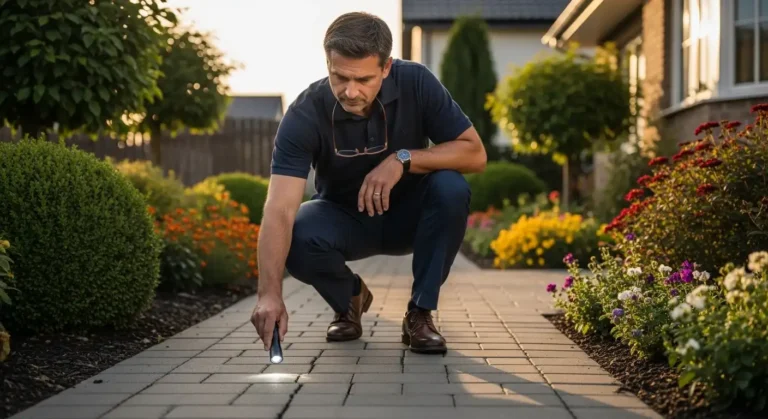
Slip and fall accidents proving negligence is a critical legal concept in premises liability law. These cases arise when a property owner fails to maintain reasonably safe conditions, resulting in injury to a visitor.
Slip and fall injuries can occur in grocery stores, restaurants, office buildings, parking lots, construction sites, and even private homes. While some falls are purely accidental, others happen because of dangerous property conditions that should have been corrected.

Common Causes of Slip and Fall Accidents
- Wet or slippery floors
- Uneven sidewalks
- Poor lighting in stairwells
- Loose carpeting
- Broken handrails
- Spilled liquids without warning signs
Unlike car accident cases discussed in what to do after a car accident, premises liability claims focus on property maintenance rather than vehicle negligence.
What Is Negligence in Slip and Fall Cases?
To succeed in a slip and fall claim, the injured person must prove that the property owner was negligent.
The Four Elements of Negligence
1. Duty of Care
Property owners owe a duty to keep their premises reasonably safe for visitors.
2. Breach of Duty
The injured person must show the owner failed to repair, warn about, or remove a dangerous condition.
3. Causation
The hazardous condition directly caused the fall and resulting injury.
4. Damages
The victim suffered measurable harm such as medical expenses or lost wages.
Actual Notice vs Constructive Notice
A key issue in slip and fall accidents proving negligence is whether the property owner knew — or should have known — about the dangerous condition.
Actual Notice
The owner was directly aware of the hazard but failed to fix it.
Constructive Notice
The hazard existed long enough that a reasonable property owner should have discovered it.
For example, a spill that remained on a grocery store floor for several hours without cleanup may establish constructive notice.
Comparative Fault in Slip and Fall Cases
In some cases, the injured person may share partial responsibility. Comparative negligence rules — explained in comparative negligence in car accident cases — may reduce compensation.
Examples of Shared Fault
- Wearing unsafe footwear
- Ignoring warning signs
- Using a mobile phone while walking
If a court determines you were 20% responsible, your damages may be reduced by that percentage.
Evidence Needed to Prove Negligence
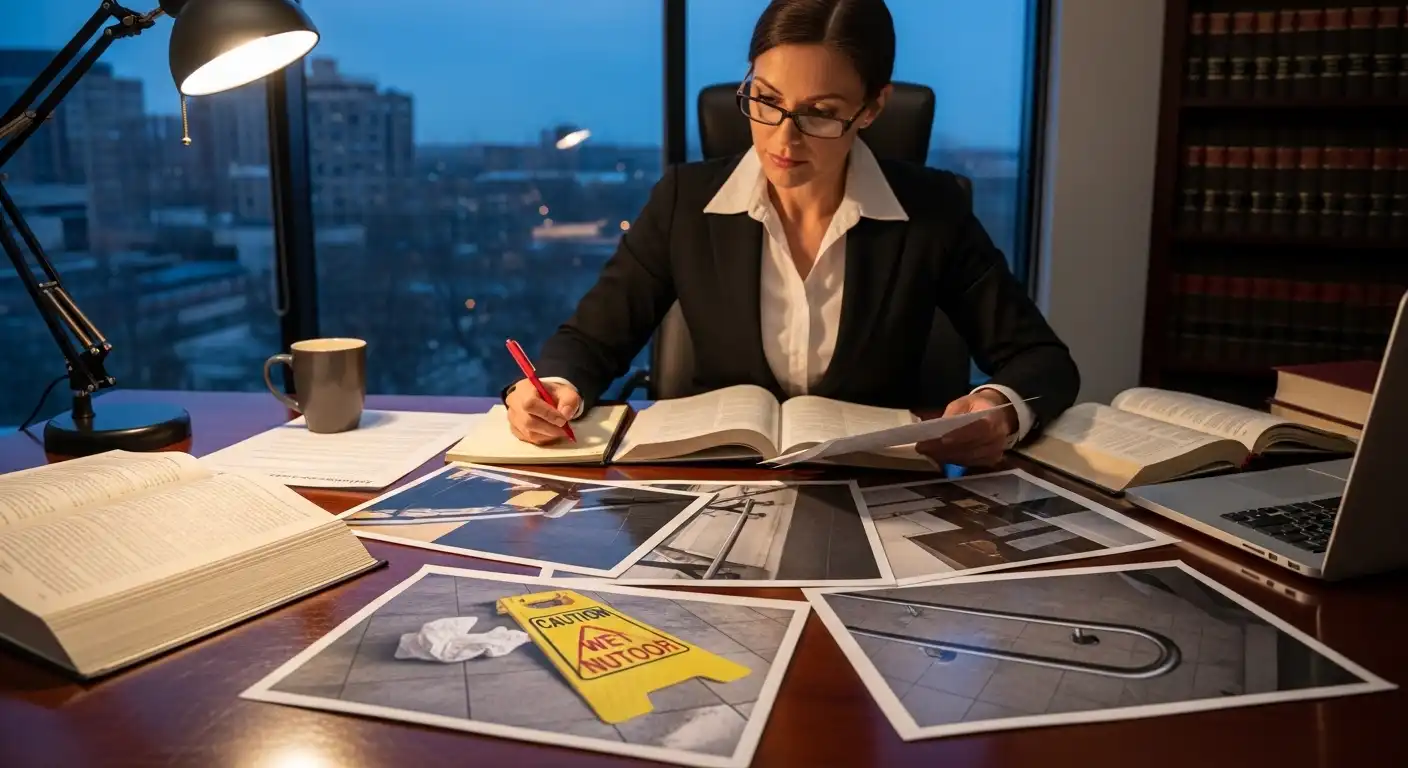
Photographs and Videos
Document the hazardous condition before it is repaired or removed.
Incident Reports
Request a copy of the property owner’s internal accident report.
Medical Records
Seek immediate medical attention to establish a direct link between the fall and your injuries.
Witness Statements
Collect contact information from anyone who saw the fall or observed the dangerous condition.
Types of Injuries in Slip and Fall Accidents
- Broken wrists and arms
- Hip fractures
- Spinal injuries
- Traumatic brain injuries
- Soft tissue injuries
Severe falls can result in long-term disability similar to those discussed in construction site accident cases.
Types of Compensation Available
Economic Damages
- Medical bills
- Lost wages
- Rehabilitation costs
Non-Economic Damages
- Pain and suffering
- Emotional distress
- Loss of enjoyment of life
Statute of Limitations
Each state sets a deadline for filing a premises liability lawsuit. Missing the deadline can permanently prevent recovery.
For legal definitions and updated information, visit the Cornell Law School Legal Information Institute.
Steps to Take After a Slip and Fall Accident
1. Report the Incident
Notify the property owner or manager immediately.
2. Seek Medical Attention
Even minor injuries should be evaluated by a medical professional.
3. Preserve Evidence
Take photographs and gather witness details.
4. Consult a Personal Injury Attorney
An attorney can evaluate liability and determine whether negligence can be proven.
Final Thoughts
Slip and fall accidents proving negligence requires demonstrating that a property owner failed to maintain safe conditions. Because these cases often involve disputed liability, thorough documentation and legal strategy are essential.
Continue exploring Personal Injury Pedia to better understand premises liability law and your rights after an injury.