

Personal Injury Mediation in 2027: What California AB 1950 Means for Los Angeles Cases
Personal injury mediation may become more common in Los Angeles civil cases after California enacted Assembly Bill 1950 in 2026.
The new law creates a pilot program that gives the Los Angeles County Superior Court broader authority to send qualifying civil cases to mediation. Under the program, the amount in controversy will not automatically prevent a case from being ordered into mediation.
That matters because many injury lawsuits involve claims worth more than $75,000, particularly when a person has significant medical expenses, lost income, long-term treatment needs, or permanent injuries.
Beginning in 2027, some of those cases may enter court-ordered mediation earlier in the litigation process.
However, mediation does not mean a plaintiff must accept a settlement. It also does not mean the mediator decides who wins.
Understanding the difference between mediation, settlement negotiations, arbitration, and trial can help injured people prepare for the process more effectively.
How AB 1950 Changes Personal Injury Mediation in Los Angeles
California already allows courts to use mediation in certain civil cases. Mediation involves a neutral third person who helps the parties communicate, evaluate their positions, and explore whether they can reach a voluntary agreement.
AB 1950 expands that process through a temporary Los Angeles County pilot program.
Before this change, the amount in controversy could limit whether a court had authority to order certain cases into mediation. Beginning January 1, 2027, the Los Angeles Superior Court can order qualifying cases into mediation even when the amount being disputed exceeds $75,000.
The law is scheduled to remain in effect until January 1, 2032 unless lawmakers change it.
The $75,000 Limit Will Not Apply to the Los Angeles Pilot
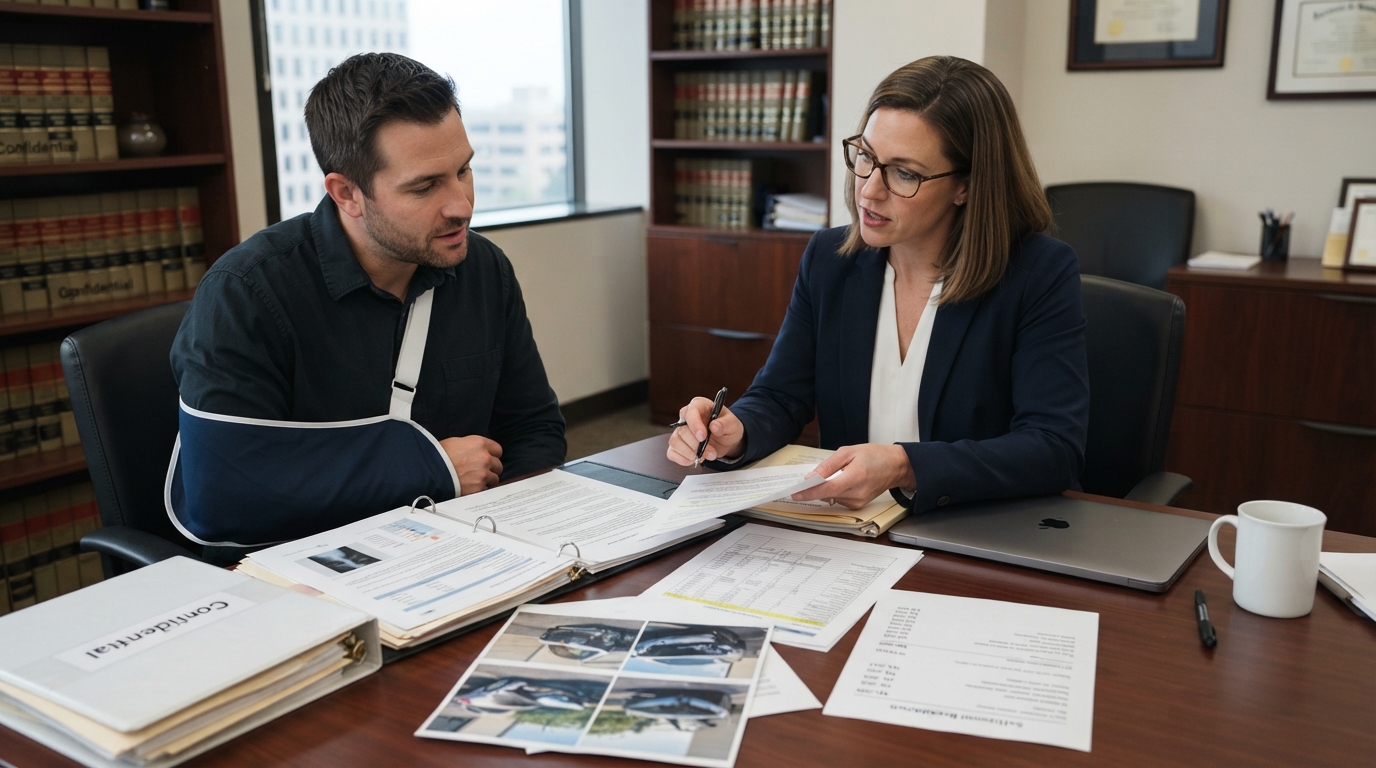
The most important change is the treatment of higher-value civil cases.
Under the statewide framework that begins in 2027, court-ordered mediation generally includes an amount-in-controversy limitation of $75,000.
AB 1950 creates an exception for Los Angeles County.
If the Los Angeles Superior Court uses its new authority, it may order a qualifying civil case into mediation without applying that $75,000 ceiling.
This could include some personal injury lawsuits involving substantial medical bills, future treatment, wage loss, permanent impairment, or disputed non-economic damages.
Court-Ordered Mediation Does Not Mean Forced Settlement
The word “ordered” can sound more powerful than it is.
A judge may require the parties to participate in mediation, but the mediator generally does not force either side to accept a settlement.
The mediator’s role is to help both sides communicate and evaluate the dispute.
A plaintiff may decide that an offer does not adequately compensate for the injuries. A defendant or insurer may also refuse to meet the plaintiff’s demand.
If the parties do not reach an agreement, the case can continue through litigation.
That distinction is important because personal injury mediation is a settlement process, not a substitute for a trial verdict unless the parties voluntarily resolve the case.
Qualifying Cases Can Receive Up to Three Hours of No-Cost Mediation
AB 1950 also provides a practical benefit.
Cases ordered into the program are entitled to up to three hours of mediation services through a court-sanctioned mediation program without cost to the parties.
The law also permits remote appearances.
Remote participation may reduce travel and scheduling problems, particularly when injured plaintiffs have mobility limitations, medical appointments, transportation difficulties, or live far from the courthouse.
Three hours may not resolve every complicated injury lawsuit. Cases involving several defendants, extensive medical evidence, disputed causation, or large future damages may require additional negotiation.
Still, an early structured session can help both sides identify the issues that prevent settlement.
For readers who are still learning how an injury lawsuit differs from other benefit systems, PI-Pedia’s workers’ compensation vs. personal injury lawsuit guide explains the basic differences between fault-based civil claims and workers’ compensation.
What Happens During a Personal Injury Mediation
A mediation usually begins with both sides presenting their view of the dispute.
Depending on the mediator and the case, the parties may begin together or move quickly into separate rooms or private virtual sessions.
The plaintiff may explain how the accident occurred, why the defendant is believed to be responsible, what medical treatment was necessary, and how the injury affected work and daily life.
The defense may challenge liability, causation, medical treatment, the amount of damages, or the plaintiff’s interpretation of the evidence.
The mediator then moves between the parties, discussing strengths, weaknesses, risks, and possible settlement terms.
Evidence Still Drives the Value of the Case
Mediation is negotiation, but negotiation works best when it is supported by evidence.
A plaintiff should not assume that simply attending mediation will produce a strong settlement offer.
Medical records can help show diagnosis, treatment, rehabilitation, and future care needs. Employment records may document lost wages. Photos and videos can support liability arguments. Witness testimony can help establish how an incident occurred.
In a vehicle case, police reports, vehicle damage, dashcam footage, event-data information, and insurance records may also become important.
PI-Pedia’s guide on what to do after a car accident explains why early documentation can affect a later injury claim.
The same basic principle applies before mediation. A well-documented demand is easier to evaluate than a claim based mainly on estimates or unsupported assertions.
How Injured Plaintiffs Can Prepare for Mediation
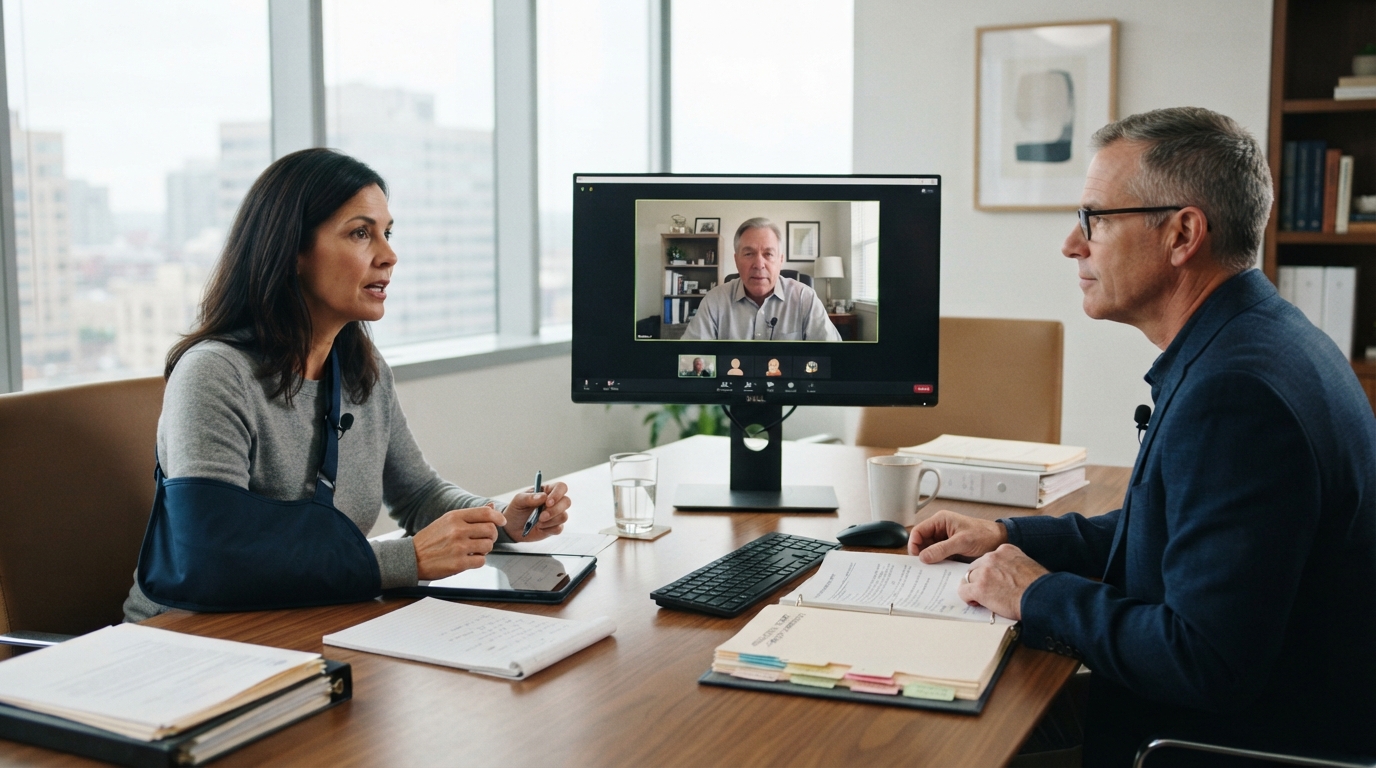
Preparation should begin before the mediation date.
A plaintiff should understand the evidence, the damages being claimed, the insurance issues, and the major arguments expected from the defense.
It is also useful to understand what settlement actually means.
Most personal injury settlements require the claimant to sign a release ending further claims against the settling parties. That means the decision deserves careful consideration, especially when future medical care or long-term limitations remain uncertain.
Know Your Damages, Risks, and Settlement Priorities
Before mediation, organize the losses connected to the injury.
Economic damages may include emergency treatment, hospital bills, rehabilitation, prescriptions, lost wages, future medical expenses, reduced earning capacity, and other documented financial losses.
Non-economic damages can involve pain, emotional distress, physical limitations, and reduced enjoyment of life, depending on the applicable law.
Liability matters just as much as damages.
A case with serious injuries may still involve significant risk when fault is disputed. Likewise, a clear-liability case may be difficult to value when medical causation is uncertain.
Comparative-fault arguments can also reduce the value of a claim in jurisdictions that allow damages to be divided according to responsibility.
Do Not Treat the First Offer as the Final Measure of the Claim
Early mediation offers can be far below what a plaintiff expected.
That does not necessarily mean the process has failed.
Settlement negotiations often begin with positions that leave substantial room for movement. The mediator may spend much of the session identifying which disagreements are real and which are negotiation strategy.
At the same time, plaintiffs should avoid assuming that every case will settle.
A defendant may dispute liability. An insurer may question whether all treatment was related to the accident. The parties may disagree sharply about future medical care or earning capacity.
When the gap remains too large, continuing litigation may be necessary.
AB 1950 specifically states that mediation under the Los Angeles pilot should not be used to delay the trial date or other expedited procedures.
That provision is important because mediation should help move cases toward resolution rather than become another reason for unnecessary delay.
The law also requires the Los Angeles Superior Court to report information about the program if the court uses the new authority. Reports are expected to address matters such as the number of cases ordered into mediation and the number that reach full or partial settlements.
That data may eventually help lawmakers evaluate whether broader court-ordered mediation improves civil case management.
Personal injury mediation
The Judicial Council of California supported AB 1950 and described mediation as a potentially faster and less costly way to resolve disputes than prolonged litigation.
Readers can review the Judicial Council’s official AB 1950 position letter for additional background on the program.
For injured plaintiffs, the practical lesson is straightforward.
Personal injury mediation should be treated as a serious stage of the case rather than an informal conversation.
Bring organized evidence. Understand your medical condition. Know what losses are being claimed. Consider future care and financial needs. Be prepared for the defense to challenge parts of the case.
Most importantly, understand the difference between participating in mediation and agreeing to a settlement.
AB 1950 may send more higher-value Los Angeles civil cases into mediation beginning in 2027, but it does not eliminate the plaintiff’s ability to reject an unacceptable settlement and continue litigating the claim.
The process simply creates another opportunity to resolve the dispute before trial.
For many injury cases, that opportunity can be useful. Mediation allows both sides to test their positions, hear an independent perspective, identify weaknesses, and explore a negotiated result without giving a mediator the power to impose a verdict.
This article provides general legal information and is not legal advice. Mediation rules, filing deadlines, damages, court procedures, insurance issues, and settlement consequences depend on the jurisdiction and facts of each case. People involved in a serious injury claim should consider obtaining advice specific to their situation.