Rideshare Accident Claims in 2026: Uber, Lyft, Insurance, and App Evidence
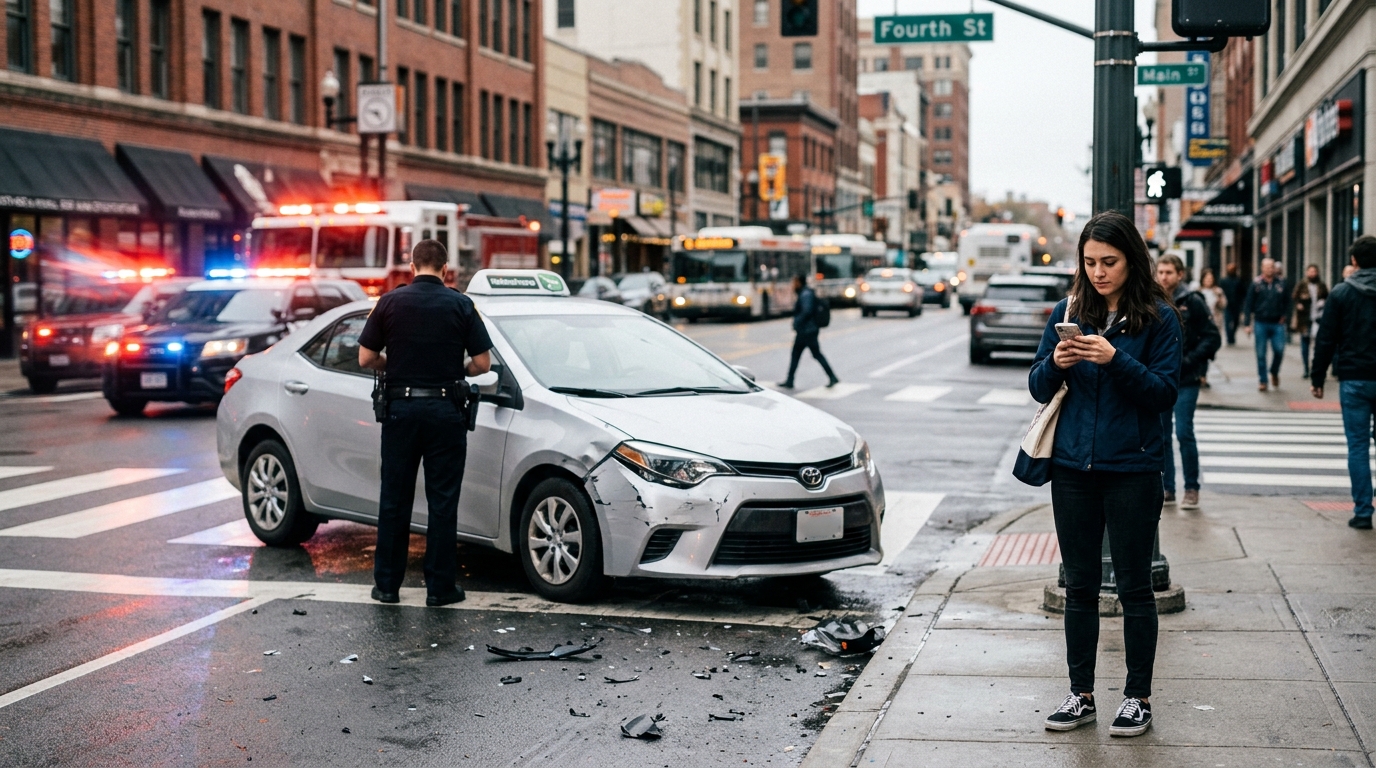
Rideshare accident claims are more complicated than ordinary car accident claims because Uber, Lyft, and other app-based trips involve more than one potential insurance policy. A crash may involve the rideshare driver, another careless driver, a passenger, a pedestrian, a cyclist, the rideshare company’s commercial insurance, the driver’s personal auto policy, and digital records from the app. In 2026, those details matter more than ever because app-based transportation is now part of daily traffic.
Many injured passengers assume the rideshare company automatically pays for everything after a crash. That is not always how the claim works. Coverage usually depends on what the driver was doing at the exact moment of the collision. Was the driver offline? Was the app on while waiting for a ride request? Had the driver accepted a trip? Was the passenger already inside the vehicle? Was the driver delivering food instead of transporting a passenger? Each answer can affect which insurance policy may apply.
For injured people, the biggest mistake is treating a rideshare crash like a simple fender bender. These claims often require fast evidence preservation, screenshots, trip receipts, police reports, witness statements, medical records, and insurance investigation. If the app status is disputed, the claim can become a fight over digital records instead of just vehicle damage.
Why Rideshare Accident Claims Are Different in 2026
A regular car accident usually starts with two basic questions: who caused the crash and what insurance applies? Rideshare accident claims ask those same questions, but the answers can be harder to prove. A rideshare driver may be using a personal vehicle for commercial transportation. The driver may have personal insurance, rideshare company coverage, optional rideshare coverage, or a combination of policies. The rideshare company may argue that its coverage depends on the driver’s status in the app.
The Insurance Information Institute explains that standard personal auto insurance generally does not cover ridesharing once a driver logs into a transportation network company app. That is why app status becomes so important. A few minutes can change the insurance analysis. A crash before the driver accepts a ride may be treated differently from a crash while the driver is actively transporting a passenger.
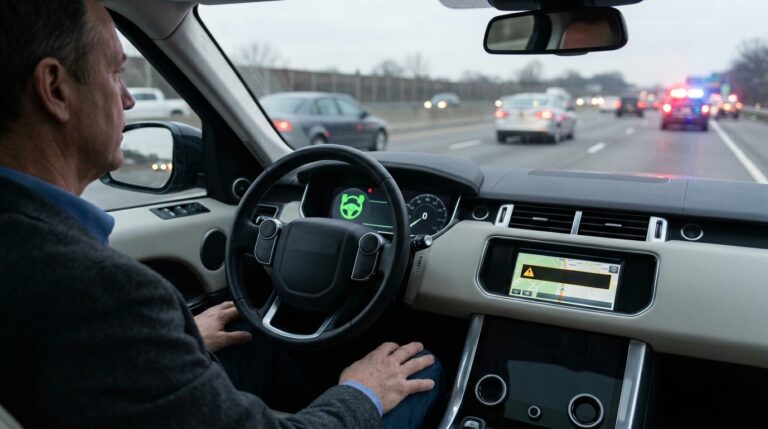
This topic fits PI-Pedia’s Car & Vehicle Accidents section because rideshare claims overlap with modern crash evidence, driver distraction, app data, vehicle technology, and commercial driving. Readers interested in automated transportation issues may also review robotaxi accident claims in 2026. While robotaxi cases focus on self-driving systems, rideshare cases still depend heavily on human driving choices and app-based records.
Insurance Coverage Changes by Driver Status
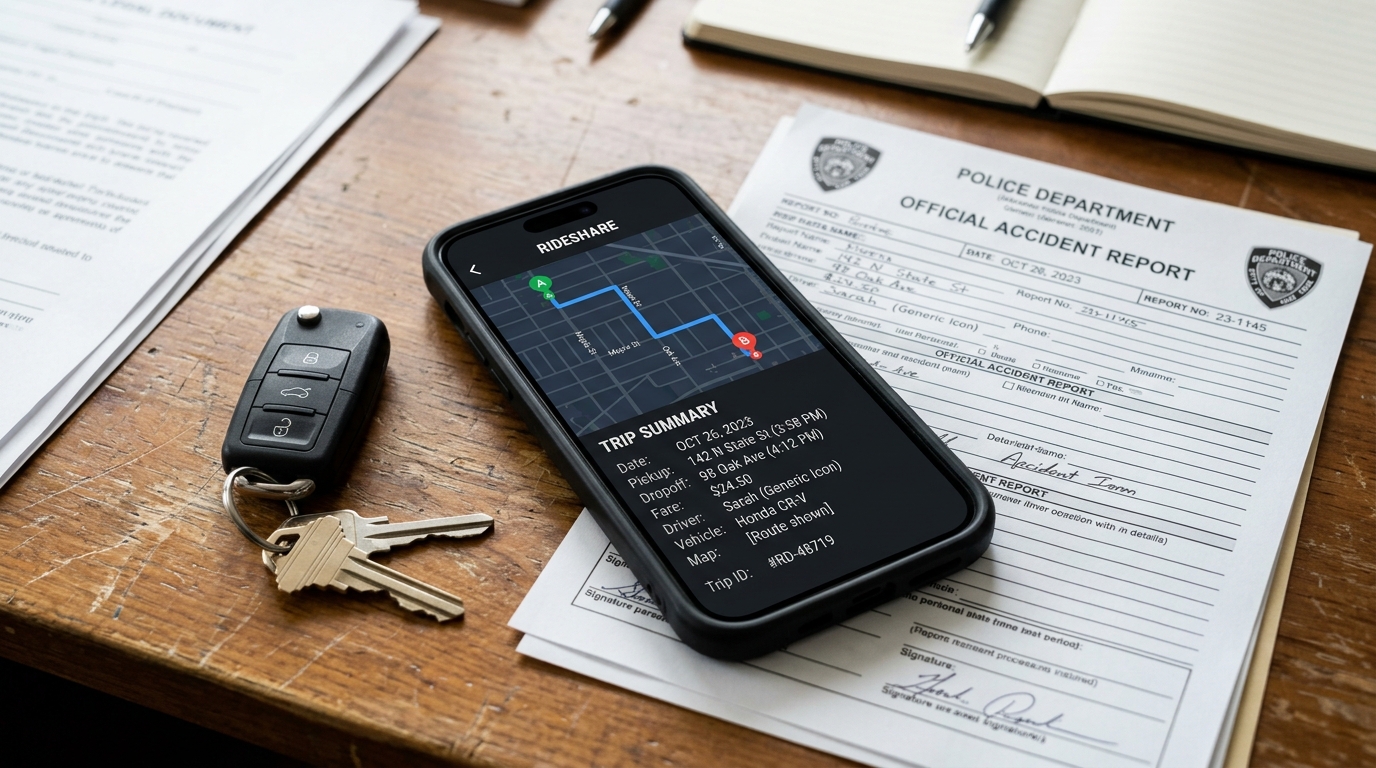
The first major issue in a rideshare accident claim is the driver’s status. In general, the claim may fall into different periods: the driver is offline, the app is on while waiting for a request, the driver has accepted a ride and is heading to pick up the passenger, or the passenger is already in the vehicle. These periods are important because they can change which coverage is available and how much insurance may apply.
If the driver was completely offline, the case may look like a normal personal auto accident. The driver’s personal insurance may be the first policy reviewed. If the driver was logged into the rideshare app, the situation becomes more complex. The injured person may need proof of app activity, trip records, timestamps, location data, and communications with the rideshare platform.
App Off Versus Waiting for a Ride Request
If the rideshare app was off, the driver may not have been working for the platform at the time of the crash. In that situation, the rideshare company may deny that its coverage applies. The injured person may need to pursue the driver’s personal auto insurance or another at-fault driver’s policy.
If the app was on but the driver had not yet accepted a ride request, coverage may still be limited compared with an active passenger trip. This is often where disputes happen. The driver may say they were waiting for a ride. The rideshare company may request app records. The personal insurer may deny coverage because the driver was using the vehicle for commercial activity. That gap is one reason these cases need careful review.
En Route to Pickup or Passenger Already in the Vehicle
When the driver has accepted a ride and is heading to pick up the passenger, rideshare company coverage is more likely to become part of the claim. The same is usually true when the passenger is already inside the vehicle and the trip is active. However, even then, the claim is not automatic. The insurer may still investigate fault, injuries, medical treatment, pre-existing conditions, vehicle damage, and whether another driver caused the crash.
For passengers, screenshots can be powerful evidence. A trip receipt, route map, driver profile, pickup time, drop-off location, fare record, and app messages can help prove that the ride was active. If the passenger cannot access the app after the crash, they should still preserve emails, text alerts, bank charges, and any trip confirmation records.
Injured Passengers, Drivers, Pedestrians, and Cyclists
Rideshare accident claims are not limited to passengers. A pedestrian may be hit by a rideshare driver. A cyclist may be struck while the driver is looking for a pickup location. A nearby driver may be rear-ended by a rideshare vehicle. A rideshare passenger may be hurt because another vehicle ran a red light. A delivery driver may collide with a rideshare driver while both are using apps.
The injured person’s role matters. A passenger usually does not control the vehicle, so the claim often focuses on whether the rideshare driver, another driver, or both caused the crash. A pedestrian or cyclist claim may involve visibility, crosswalk rules, bike lane positioning, speed, distraction, and app use. A rideshare driver’s own injury claim may involve workers’ compensation questions, independent contractor issues, personal injury liability, and insurance gaps.
Delivery drivers face similar legal questions because app-based work can blur the line between personal driving and commercial activity. PI-Pedia’s article on delivery driver injury claims in 2026 is a helpful related resource for readers who want to understand how gig work changes injury claims.
What Evidence Should Be Saved Immediately
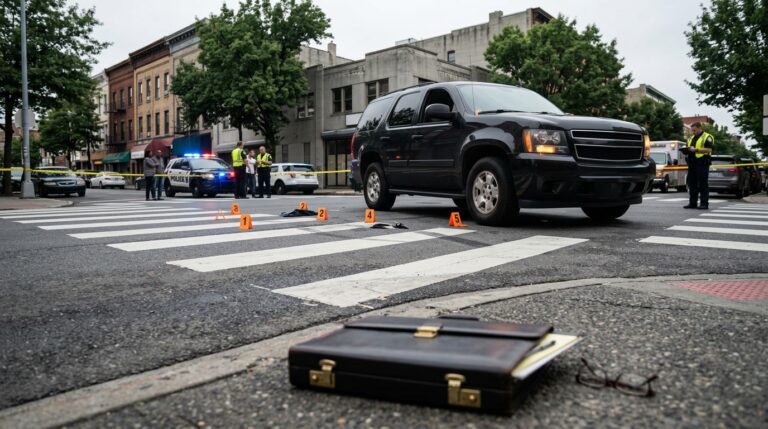
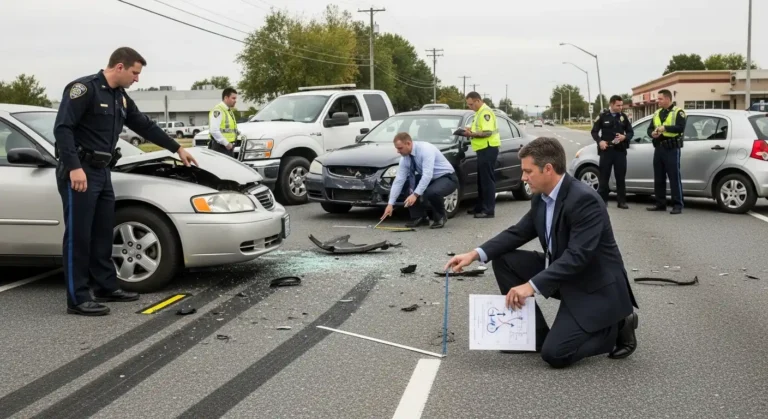
Evidence can disappear quickly after a rideshare accident. The injured person should save screenshots of the ride, driver name, vehicle information, route, fare receipt, timestamps, messages, and pickup or drop-off details. They should also take photos of the vehicles, license plates, road conditions, traffic signals, visible injuries, skid marks, debris, and nearby cameras.
Medical records are just as important. A person may feel “fine” immediately after a crash because adrenaline can hide symptoms. Neck pain, back pain, headaches, dizziness, shoulder injuries, knee injuries, and concussion symptoms may become worse later. Delayed treatment gives insurance companies room to argue that the injuries were not related to the crash. Getting checked early helps protect both health and the legal claim.
How to Protect a Rideshare Accident Claim
The first step after a rideshare crash is safety. Call emergency services if anyone is hurt, move away from traffic if possible, and report the crash to law enforcement. A police report can help document the location, drivers, passengers, witnesses, insurance information, and initial fault details. The injured person should also report the crash through the rideshare app, but they should be careful with recorded statements and broad claims about feeling uninjured.
After the scene is handled, the claim should be organized around liability, insurance, and damages. Liability means who caused the crash. Insurance means which policy may pay. Damages include medical bills, lost income, pain and suffering, future care, reduced earning ability, property damage, and other losses. In serious cases, the injured person may need to identify multiple insurance policies instead of relying on one claim number.
Modern vehicles may also store technical data after a crash. Event data recorders, dashcams, app data, GPS logs, and safety technology records can help reconstruct what happened. Readers interested in vehicle technology evidence may also review automatic emergency braking accident claims in 2026. That article explains how safety systems can become part of a modern injury investigation.
Who May Be Liable After a Rideshare Crash?
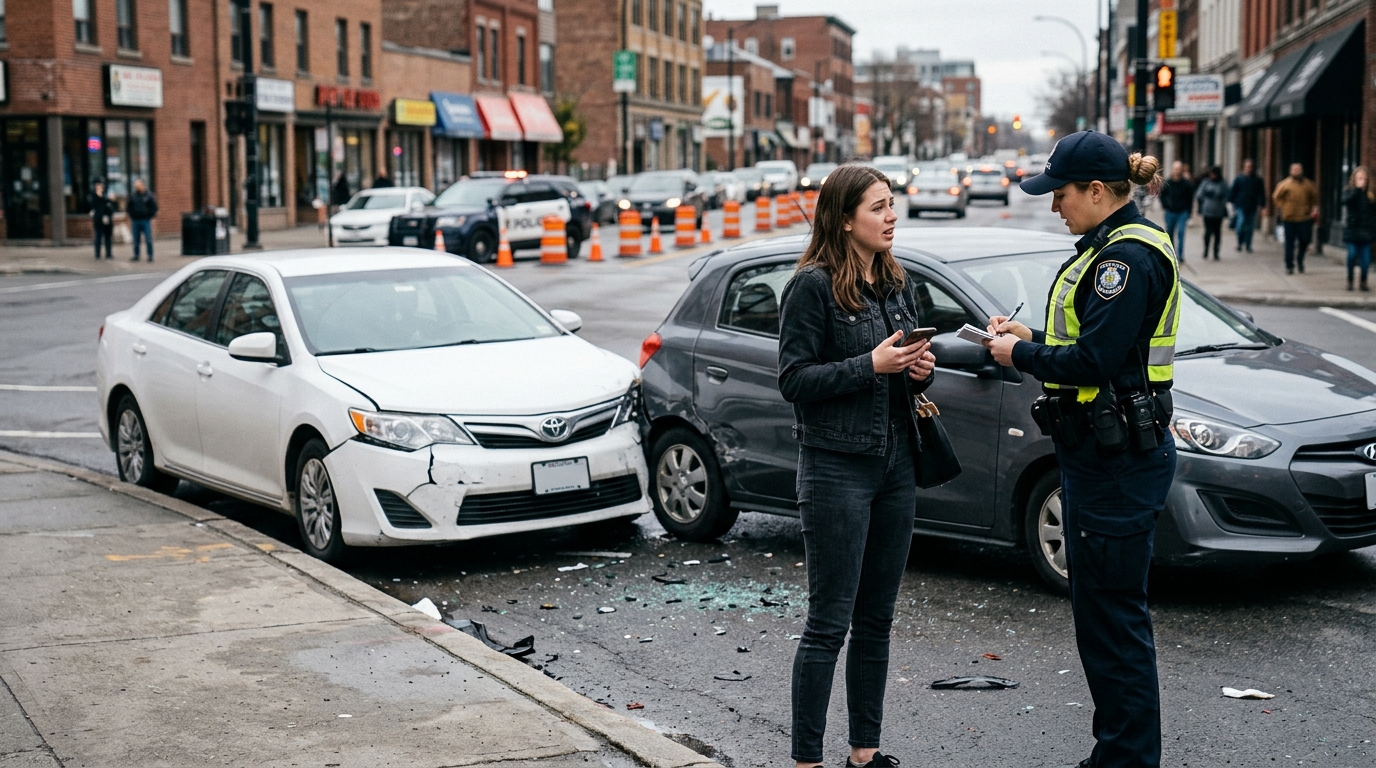
The rideshare driver may be liable if they were speeding, distracted, fatigued, impaired, following too closely, making an unsafe pickup, stopping suddenly, or failing to yield. Another driver may be liable if they ran a red light, rear-ended the rideshare vehicle, changed lanes unsafely, or caused a chain-reaction crash. In some cases, both drivers may share fault.
The rideshare company’s role depends on the facts and the legal theory. Many claims focus on available insurance coverage rather than suing the company directly. However, company records may still matter because the app can show trip status, route data, driver activity, and communications. In more complex cases, questions may arise about driver screening, prior complaints, platform safety policies, or whether the company had notice of a recurring danger.
Other parties may also be involved. A vehicle manufacturer may matter if a defect contributed to the crash. A repair shop may matter if negligent maintenance caused brake, tire, steering, or sensor problems. A government entity or contractor may be relevant if a dangerous road condition, broken signal, or unsafe work zone contributed to the collision. For related roadway danger issues, see PI-Pedia’s guide on work zone accident claims in 2026.
Common Mistakes That Can Hurt the Claim
One common mistake is leaving the scene without documenting the rideshare trip. Another is assuming the rideshare company will automatically collect everything needed for the injured person’s claim. The company and its insurer are protecting their own interests. The injured person should protect their own evidence too.
Another mistake is giving a recorded statement too early. Insurance adjusters may ask questions that sound simple but are designed to limit the claim. Saying “I am okay” can later be used against the injured person, even if symptoms appeared hours or days later. Guessing about speed, impact force, fault, or injury severity can also create problems.
A third mistake is ignoring smaller details. Pickup locations, curbside stops, double parking, sudden route changes, app notifications, phone use, fatigue, and driver confusion can all matter. Rideshare drivers often operate in busy areas with pedestrians, cyclists, tourists, delivery vehicles, and changing traffic patterns. A crash may happen because the driver was looking for the passenger, checking the app, or stopping in an unsafe place.
Rideshare accident claims in 2026 require a careful look at both the crash and the app-based records behind it. The strongest claims usually combine medical documentation, scene evidence, app screenshots, witness information, police reports, and a clear insurance analysis. Whether the injured person was a passenger, pedestrian, cyclist, nearby driver, or rideshare driver, the key is the same: preserve the evidence early and do not assume the first insurance answer is the final answer.
For more background on rideshare insurance gaps, readers can review the Insurance Information Institute’s ridesharing and insurance Q&A.