Heat Illness Injury Claims in 2026: Worker Rights, Evidence, and Liability
Heat illness injury claims are becoming more important in 2026 because extreme heat is no longer just a seasonal inconvenience. For many workers, it is now a serious safety risk that can lead to emergency medical care, lost wages, long-term health problems, and legal claims. Construction workers, delivery drivers, warehouse employees, farm workers, landscapers, roofers, road crews, and other physically active workers may face dangerous heat exposure during ordinary workdays.
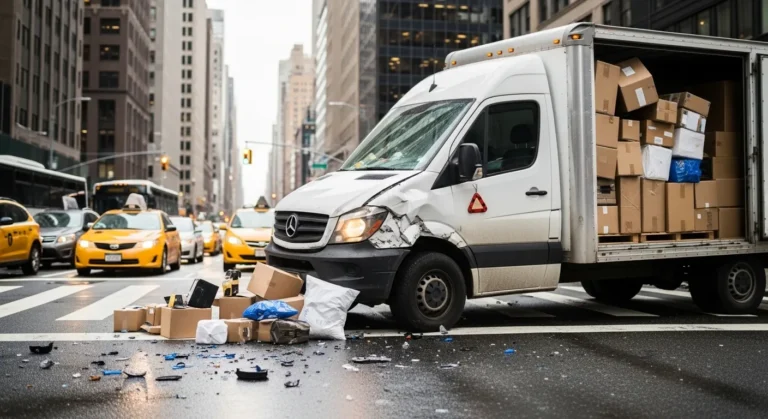
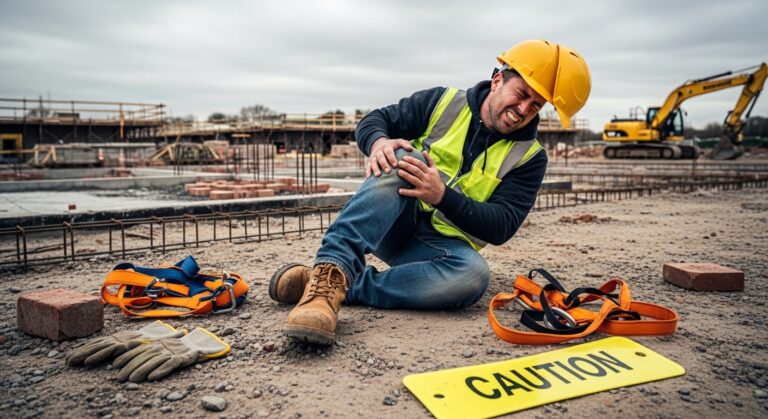
These claims matter because heat illness can happen quickly. A worker may start with dizziness, heavy sweating, nausea, cramps, confusion, weakness, or a headache. If the warning signs are ignored, the situation can become severe. Heat exhaustion, heat stroke, dehydration, fainting, kidney problems, falls, and vehicle crashes can all connect back to unsafe heat exposure. In some cases, the heat illness itself is the injury. In other cases, heat causes a worker to collapse, fall from height, lose control of equipment, or get into a traffic collision.
For PI-Pedia readers, this topic connects directly to workplace injury law, personal injury lawsuits, delivery driver injury claims, premises liability, and construction site safety. A heat-related injury may involve workers’ compensation, but that does not always end the legal analysis. Depending on where the injury happened and who controlled the conditions, a third-party personal injury claim may also exist.
Why Heat Illness Injury Claims Matter in 2026
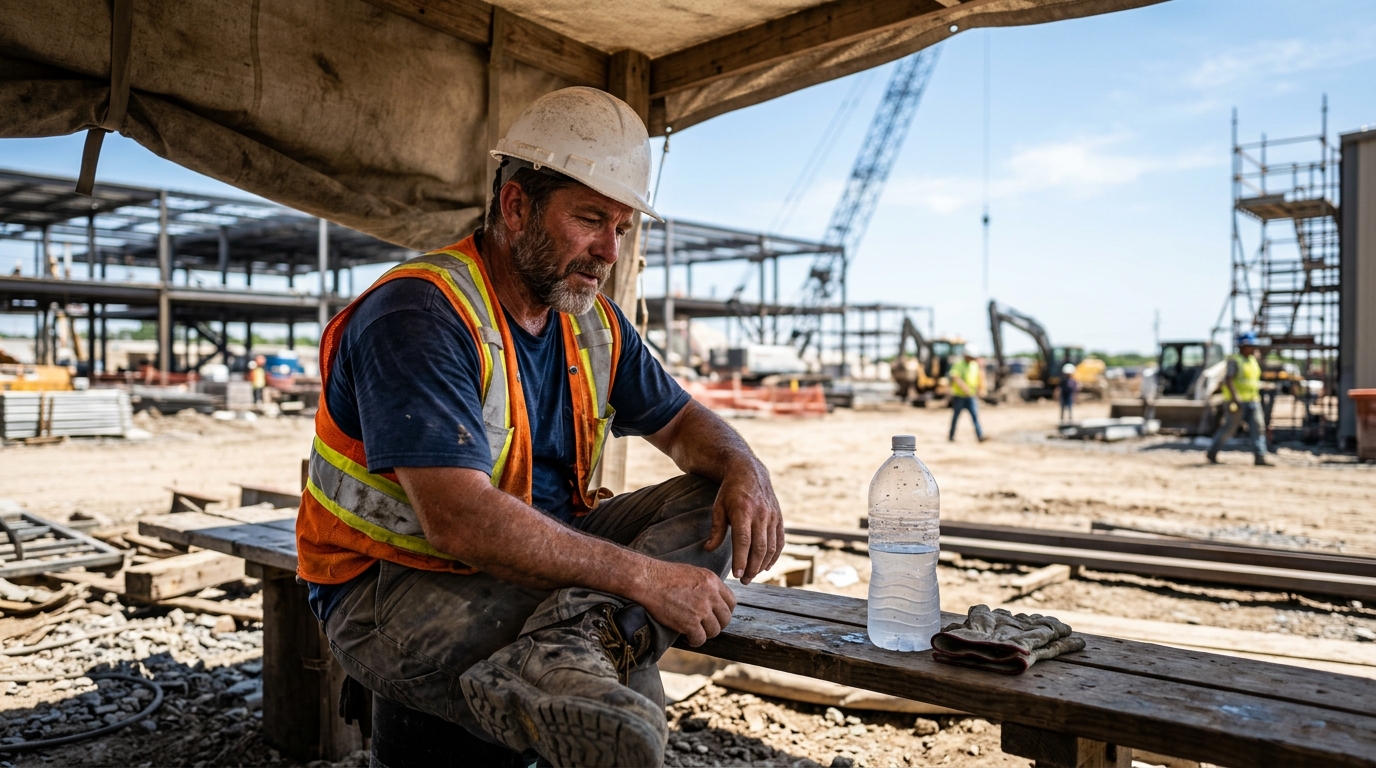
Heat illness injury claims are gaining attention because more workers are exposed to difficult heat conditions for longer periods. Outdoor workers face direct sun, humidity, hot pavement, heavy tools, protective clothing, and physically demanding schedules. Indoor workers may also face heat hazards in warehouses, kitchens, manufacturing plants, laundry facilities, boiler rooms, and other environments where ventilation or cooling is poor.
The danger is not limited to official heat waves. A worker can suffer heat illness on any day when the body cannot cool itself properly. Risk increases when the job requires heavy activity, long shifts, limited breaks, poor hydration, direct sun exposure, or personal protective equipment that traps body heat. New workers can also be at higher risk because their bodies may not yet be acclimated to the heat.
According to OSHA’s heat exposure guidance, occupational risk factors include heavy physical activity, hot environments, lack of acclimatization, and clothing that holds in body heat. The CDC/NIOSH heat stress resource also explains that heat stress can lead to heat stroke, heat exhaustion, rhabdomyolysis, heat cramps, and heat rashes. Those official safety resources make one thing clear: heat is a real workplace hazard, not just discomfort.
Workers Most at Risk
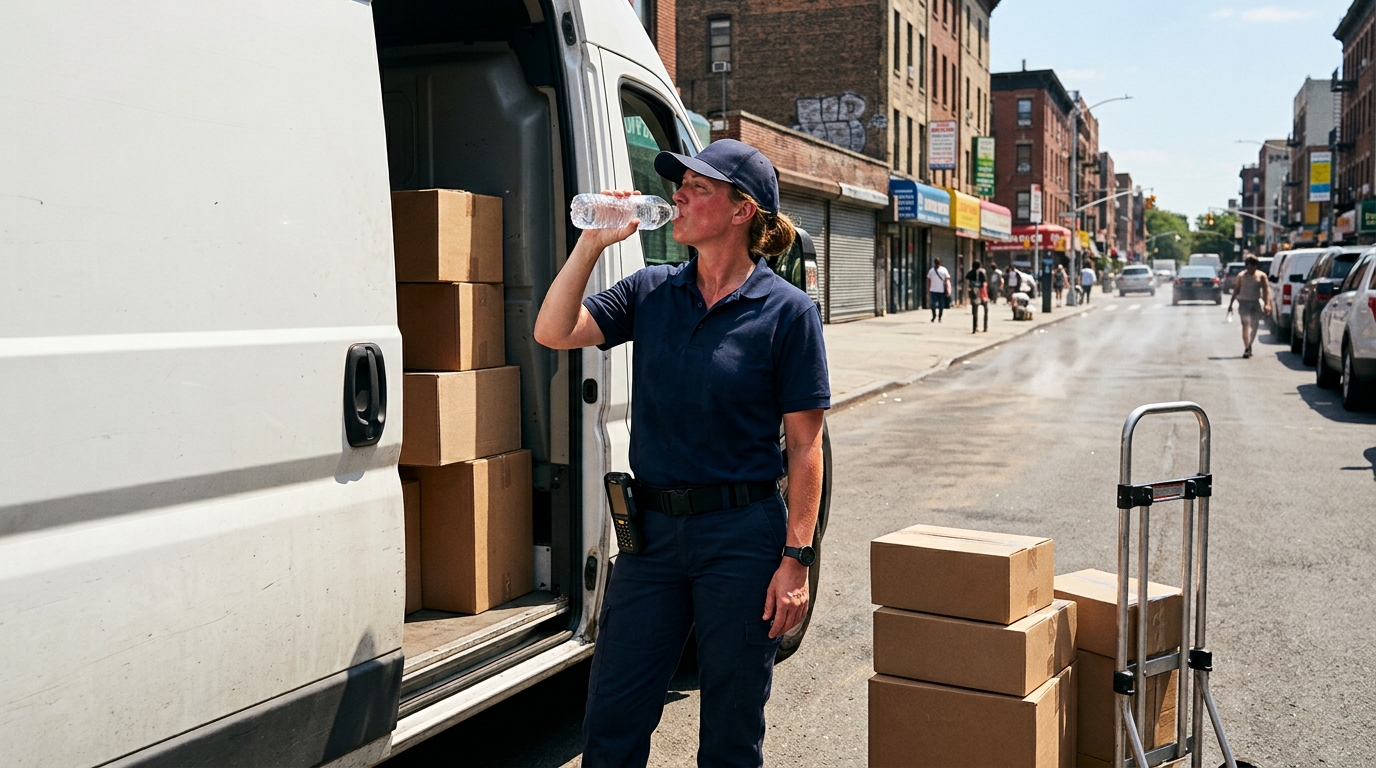
Many heat illness injury claims involve workers whose jobs require movement, lifting, driving, climbing, carrying, or standing for long periods. Construction workers may work on rooftops, roadways, scaffolds, trenches, and open job sites where shade is limited. Delivery drivers may spend hours moving between hot vehicles, sidewalks, apartment stairs, loading areas, and customer properties. Road crews and work zone employees may face heat from the sun, asphalt, vehicles, machinery, and reflective safety gear.
Warehouse workers, kitchen staff, manufacturing employees, agricultural laborers, sanitation workers, and landscapers may also face dangerous conditions. Heat risk can increase when workers are rushed, understaffed, pressured to meet quotas, or discouraged from taking breaks. That is where legal questions begin. If a company knew the heat conditions were dangerous but failed to provide reasonable protections, the injury may involve more than an unavoidable accident.
This topic connects naturally to PI-Pedia’s guide on delivery driver injury claims in 2026. Delivery work often combines traffic risks, physical labor, tight schedules, and property hazards. On a hot day, those pressures can make heat illness more likely and can also make other accidents worse.
Water, Shade, and Rest Breaks
Water, shade, and rest are basic safety controls in many heat-exposure situations. When workers do not have realistic access to drinking water, cool-down areas, shade, or recovery time, heat illness becomes more predictable. The legal issue is not simply whether water existed somewhere on the site. The better question is whether workers could actually use it without punishment, delay, intimidation, or unrealistic productivity pressure.
A company may create risk by setting schedules that make breaks impossible, assigning heavy work during the hottest hours without adjustment, ignoring complaints, failing to check on workers, or treating heat symptoms as weakness. In a claim, those facts may help show whether the injury was preventable.
Acclimatization and Training
Acclimatization means giving the body time to adjust to heat. New workers, returning workers, and employees moved into hotter tasks may need lighter duty, closer monitoring, and more frequent breaks. If a worker is placed into intense heat without training or gradual adjustment, the risk can rise quickly.
Training also matters. Workers and supervisors should understand heat symptoms, emergency response steps, hydration practices, and when to stop work. A worker who does not know the warning signs may keep pushing until the condition becomes dangerous. A supervisor who dismisses symptoms may delay treatment until the injury becomes severe.
Liability, Evidence, and Compensation After Heat-Related Injuries
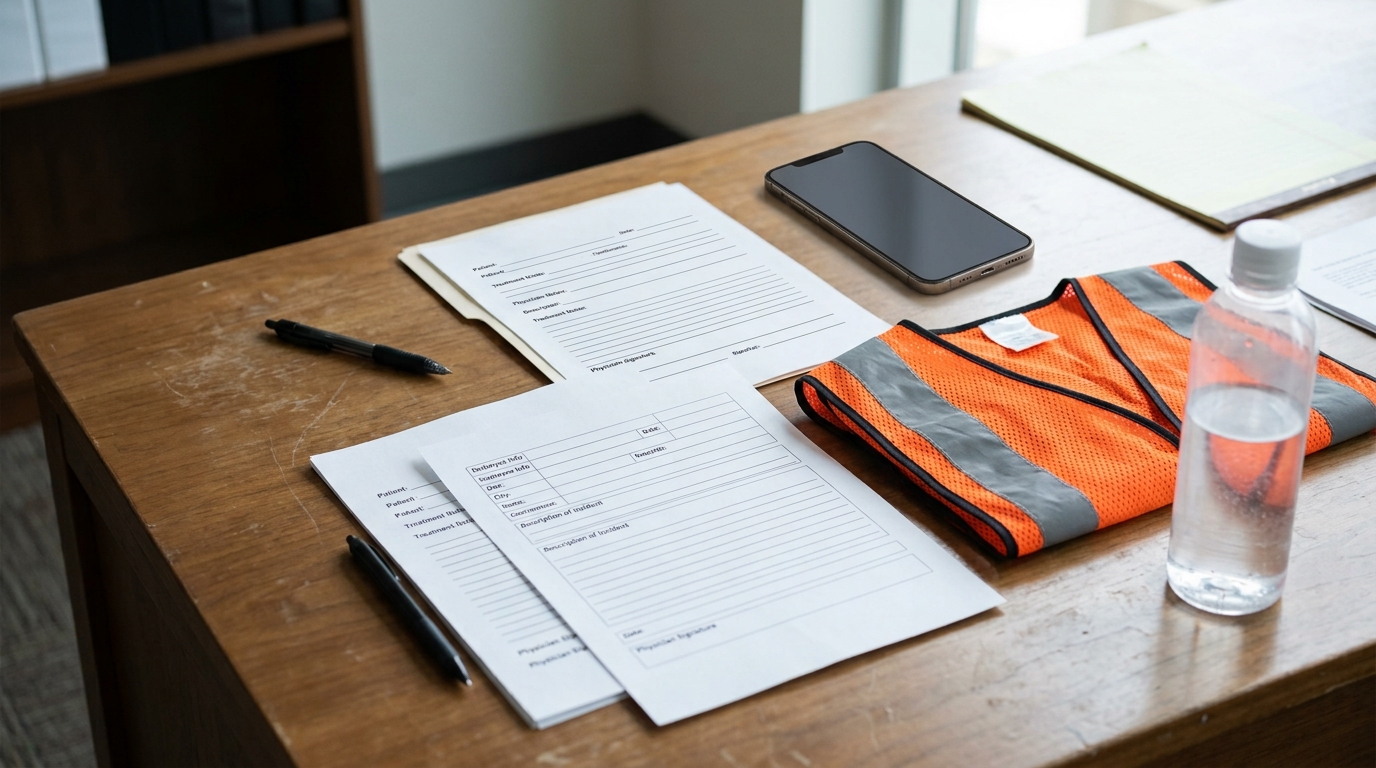
Heat illness injury claims can follow more than one legal path. If the injured person was an employee hurt while performing job duties, workers’ compensation may apply. Workers’ compensation generally does not require proof that the employer was negligent. It may cover medical care, partial wage replacement, and disability-related benefits. However, workers’ compensation may not provide damages for pain and suffering in the same way a personal injury lawsuit can.
That is why it is important to understand the difference between a workplace benefit claim and a third-party personal injury lawsuit. PI-Pedia already explains this distinction in its guide on workers’ compensation vs. personal injury lawsuits. Heat illness cases may involve both systems when someone other than the employer contributed to the unsafe condition.
How Negligence Can Cause Heat Illness
Negligence in a heat illness claim may involve poor planning, unsafe supervision, ignored warnings, lack of cooling areas, inadequate staffing, broken equipment, missing safety policies, or failure to respond to symptoms. For example, a construction crew may be required to work through extreme heat without shade or rest. A delivery driver may be pressured to continue a route despite dizziness and signs of heat exhaustion. A warehouse worker may collapse in a facility with poor ventilation and no meaningful cooling plan.
Heat can also contribute to other injury events. A worker may faint and suffer a head injury. A driver may become dizzy and crash. A road worker may lose balance near traffic. A roofer may become disoriented and fall. A customer or tenant may suffer heat-related harm because a property owner failed to address unsafe indoor conditions. In those situations, heat exposure is not just background context. It may be a major part of causation.
Some heat injury claims overlap with construction and roadway danger. PI-Pedia’s article on work zone accident claims in 2026 is a useful internal resource because road construction combines vehicle risk, outdoor labor, heat exposure, and fast-changing evidence.
Medical Response and Incident Reports
Medical records are critical in heat illness injury claims. Emergency room records, ambulance reports, urgent care notes, diagnosis codes, lab results, kidney function tests, hydration treatment records, and follow-up care notes can help connect the injury to heat exposure. The sooner the worker gets medical attention, the easier it may be to document what happened.
Incident reports can also matter. A report should identify the date, time, location, temperature conditions, job task, symptoms, witnesses, supervisor response, and whether the worker was allowed to rest or seek medical care. If an employer, contractor, property manager, or site supervisor delays or minimizes the report, the injured person should still preserve their own notes and timeline.
What Evidence Can Support a Claim
Strong evidence can make the difference between a dismissed heat complaint and a serious injury claim. Useful evidence may include weather data, photos of the worksite, pictures of missing shade or water areas, text messages, dispatch records, time logs, route data, witness statements, safety manuals, training records, incident reports, medical records, and proof of missed work.
For delivery drivers, app records may show route pressure, stop counts, timing, location history, customer instructions, and whether the driver was actively working when symptoms started. For construction workers, jobsite records may show crew schedules, safety meetings, heat plans, subcontractor roles, and who controlled the area. Premises cases, photos and maintenance records may show whether a property owner allowed unsafe indoor heat or failed to provide safe access routes.
This is also where premises liability principles can become relevant. If heat illness leads to a fall on unsafe stairs, a collapse in a poorly maintained area, or an injury at a property controlled by someone other than the employer, readers may also review property owner duty of care and slip and fall accidents proving negligence.
When a Third-Party Claim May Exist
A third-party claim may exist when someone other than the direct employer contributed to the injury. This may include a negligent property owner, general contractor, subcontractor, equipment provider, building manager, maintenance company, vehicle driver, or another outside party. For example, if a delivery driver collapses because an apartment complex required long unsafe access routes with no safe loading area, the property facts may deserve review. If a construction worker suffers heat illness after a subcontractor blocks access to shade or cooling stations, the site-control issue may matter.
The National Safety Council’s environmental heat injury data shows that heat exposure continues to cause workplace deaths and serious cases. That supports the practical reality behind these claims: heat injuries are not minor complaints when they cause emergency treatment, long recovery periods, or permanent health problems.
In the end, heat illness injury claims require careful documentation. The injured person should seek medical care, report the incident, preserve photos and messages, identify witnesses, keep work records, and avoid assuming the claim is “only” workers’ compensation. Some cases are simple workplace benefit claims. Others involve broader negligence, unsafe property conditions, defective safety planning, or third-party responsibility.
As heat exposure becomes a larger workplace safety issue in 2026, injured workers and their families need to understand the legal questions early. Who controlled the work conditions? Were safety rules followed? Was the worker trained? Were water, shade, rest, and medical response actually available? Did another party contribute to the harm? The answers can shape the entire claim.