
Lithium-Ion Battery Fire Injury Claims in 2026: What Victims Need to Know
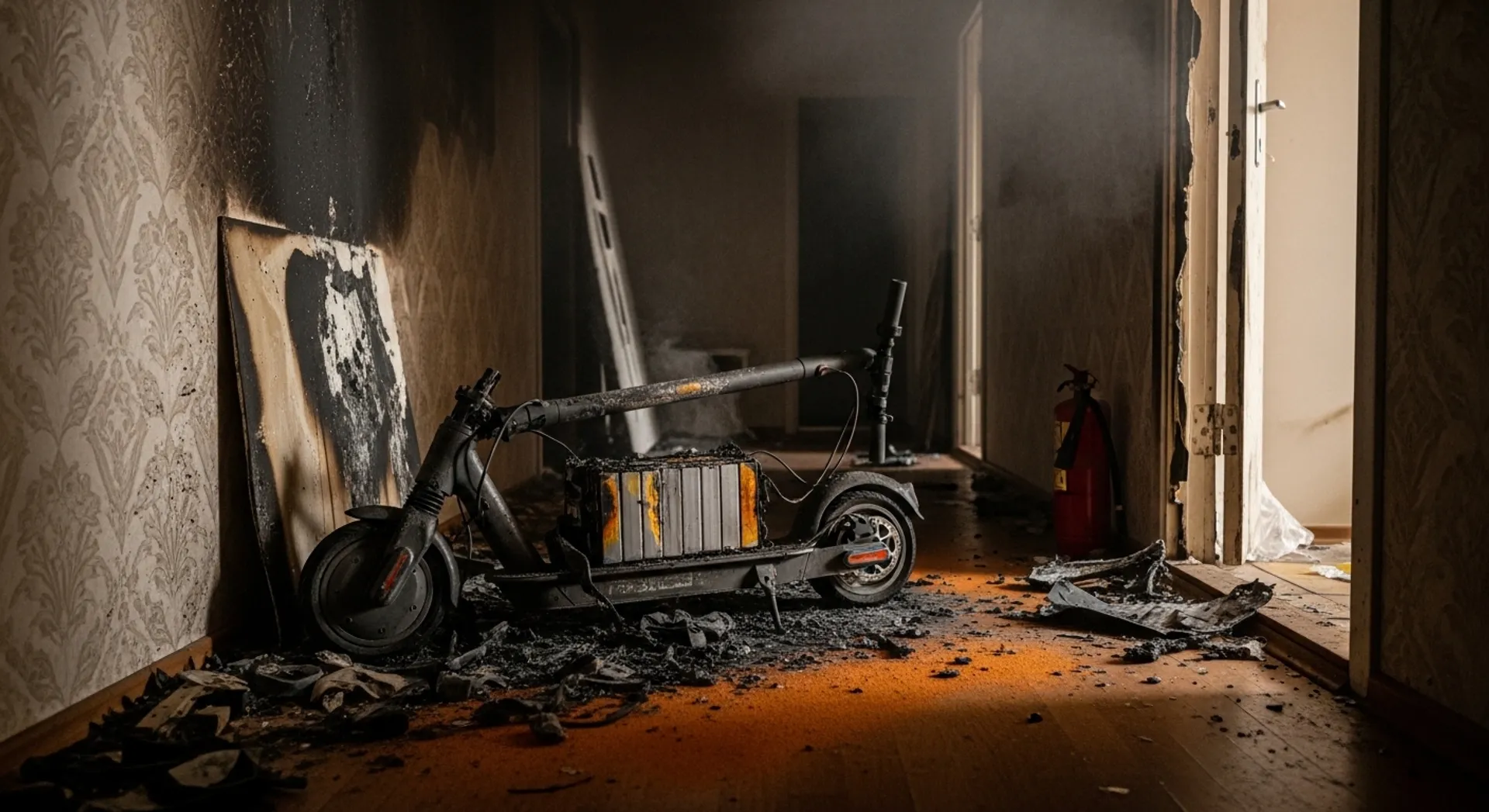
Lithium-ion battery fire injury claims are getting more attention in 2026 because battery-powered products are now part of daily life. People use e-bikes, e-scooters, hoverboards, power banks, tools, laptops, and backup batteries at home, at work, and on the road. That convenience has also created a growing injury risk when a battery overheats, ignites, explodes, or fills an enclosed space with smoke. When that happens, the legal issue is not only how the fire started. The bigger issue is whether someone could and should have prevented it.
These cases are highly relevant for PI-Pedia because they cut across multiple personal injury categories at the same time. A battery fire may involve a defective product claim, a premises liability issue, a workplace injury issue, or a standard negligence claim depending on where the incident occurred and who was involved. A fire in an apartment hallway may raise different legal questions than a battery explosion in a delivery van or a charger fire inside a business. That overlap makes this one of the most practical injury topics to publish right now.
For readers who already understand the basic steps after an accident, this topic builds naturally on your existing guide about what to do after a car accident. The same core principles still matter here: preserve evidence, get medical treatment, identify fault, and document losses. The difference is that battery fire claims often require a more technical investigation.
Why Lithium-Ion Battery Fire Injury Claims Are Growing
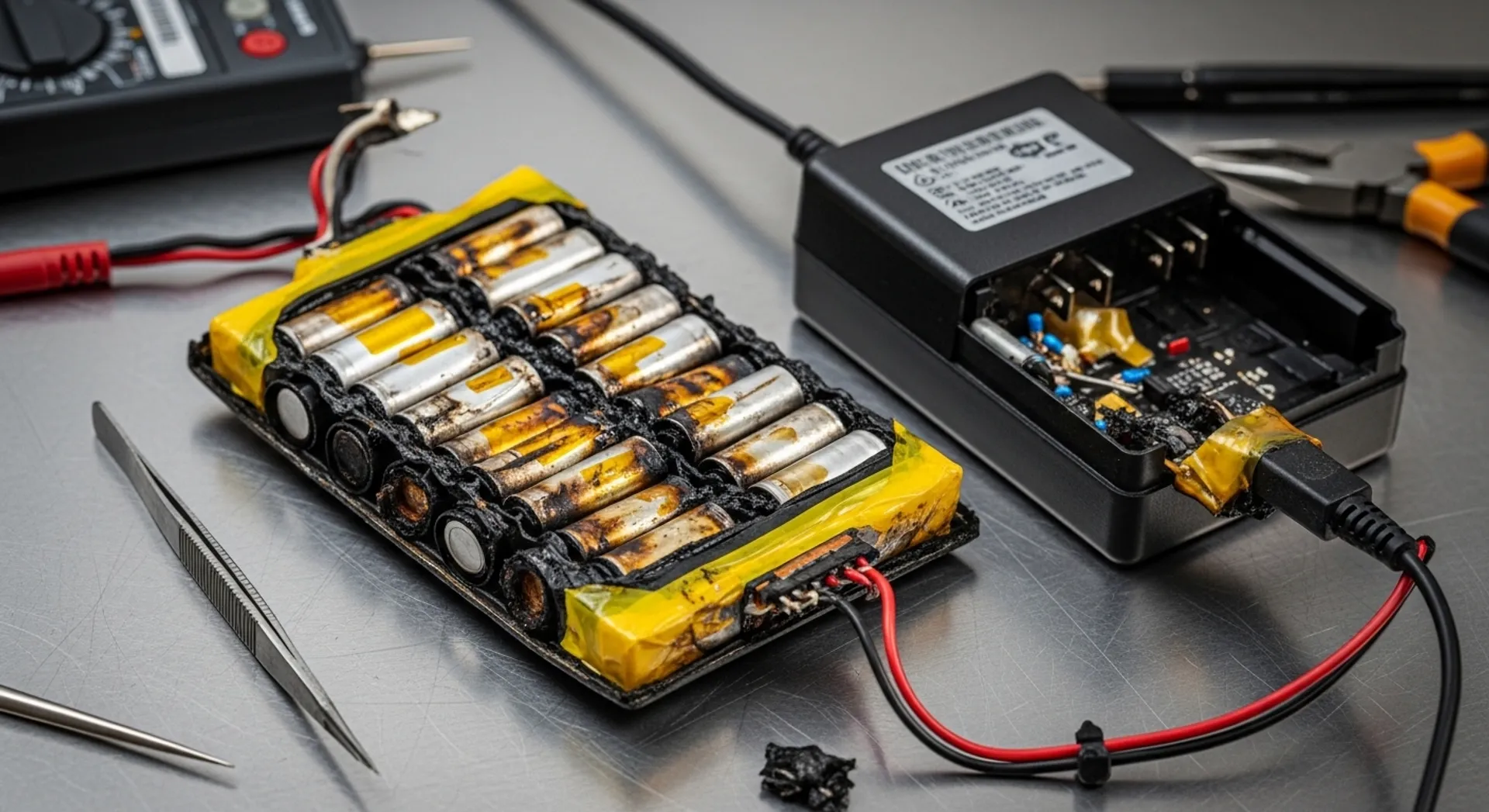
Battery-related injuries are different from ordinary accident claims because the event can be sudden, violent, and confusing. Victims often do not know whether the problem came from the battery itself, the charger, the wiring, a repair, an aftermarket part, a storage issue, or a defect in the product’s design. That uncertainty is exactly why these cases can become complex.
Why these incidents often lead to serious injuries
A lithium-ion battery failure can produce extreme heat, flames, toxic smoke, and secondary explosions. The physical injuries may include burns, smoke inhalation, fractures from trying to escape, eye injuries, nerve damage, or long-term scarring. In some cases, the person is not even using the product when the fire begins. The device may be charging, stored in a hallway, parked in a garage, or left near an exit route.
Battery fires can damage more than the body
These cases frequently involve losses beyond emergency medical care. A victim may lose clothing, phones, laptops, furniture, important papers, and even the use of a home or apartment. Temporary relocation costs, cleanup costs, and emotional trauma can all become part of the real damage picture. The claim may be larger than it first appears because both personal injury losses and property losses may exist at the same time.
Apartment, condo, and workplace settings add another layer
When the fire happens in a building, another legal question appears: did the property owner or manager create an unsafe environment? For example, if tenants were charging large battery-powered devices in a blocked hallway, or if a building had poor fire-safety practices, premises liability issues may matter. That makes this a smart place to link internally to property owner duty of care explained.
Who may be legally responsible after a battery fire
Victims often assume the manufacturer is the only possible defendant. That is not always true. Depending on the facts, responsibility may extend to a distributor, retailer, online seller, repair shop, maintenance company, employer, landlord, or property manager. In some cases, the charger or replacement battery may be the real problem rather than the main device. In others, unsafe modifications or off-brand replacement parts may have contributed to the incident.
Because several parties may point fingers at one another, early case strategy matters. A product seller may blame a repair shop. A repair shop may blame a counterfeit battery. A property owner may blame the tenant. An insurer may blame misuse. A good educational article needs to show readers that liability is often more complicated than it looks in the first 24 hours.
How to Build a Strong Battery Fire Injury Claim
Strong battery fire claims are built around evidence. That sounds obvious, but it matters more here because the product itself may tell the story. Once damaged parts are thrown away, cleaned up, or separated from the scene, proving exactly what failed becomes much harder. Many people destroy the best evidence in the case without realizing it.
What evidence matters most after the incident
The best evidence usually includes the battery, charger, device housing, extension cords, packaging, receipts, repair records, surveillance footage, photos, and witness statements. Fire department reports, paramedic records, emergency room records, and follow-up treatment notes are also critical. If the incident happened at work, reporting records and employment records may also matter, especially if the victim may have both a workers’ compensation claim and a third-party claim.
Do not throw away the battery or charger
This is one of the biggest mistakes people make. A burned battery or charger may look useless, but it may be the most important evidence in the entire claim. If it can be preserved safely, it usually should be. Experts may later inspect it for evidence of cell failure, overheating, poor design, wiring defects, or charging problems. Once it is gone, the defense may argue there is no reliable way to prove what happened.
Medical documentation still drives the value of the case
Even when the product defect is obvious, the claim still depends on proving injuries and damages. That means victims need medical records, diagnosis details, treatment plans, medication records, photos of burns or scarring, and proof of how the injury affected daily life. Insurance companies often try to minimize burns and inhalation claims early, especially when a victim was not admitted for a long hospital stay. That makes follow-up care and clear documentation essential.
How compensation is usually evaluated

Compensation in lithium-ion battery fire cases may include emergency care, hospitalization, surgeries, rehabilitation, lost income, reduced earning capacity, pain and suffering, emotional distress, permanent scarring, property loss, and out-of-pocket costs. If the victim was injured while working, there may also be overlap with a workplace claim. That is why this article should link to workers’ compensation vs personal injury lawsuits when discussing legal options.
Comparative fault issues may also appear. A defense may argue the victim used the wrong charger, ignored warnings, stored the product unsafely, or modified the device. Whether that argument actually works depends on the evidence and the law in the state. For that reason, a useful internal link here is understanding comparative negligence in car accident cases, because the shared-fault concept can still help readers understand how blame may be divided.
For an external authority link, this post should point readers to the Consumer Product Safety Commission’s e-scooter and e-bike safety page. It gives the article a strong public-safety reference while reinforcing why the issue matters in real life.
Bottom line: lithium-ion battery fire injury claims are no longer a niche topic. They are a modern personal injury issue tied to transportation, consumer products, housing, and workplace safety. For PI-Pedia, this kind of article has strong search potential because it fits your current content clusters while opening the door to more posts on product liability, battery recalls, apartment fire injuries, and e-bike accident claims.