Distracted Driving Accident Claims in 2026: Phone Evidence, Liability, and Victim Rights
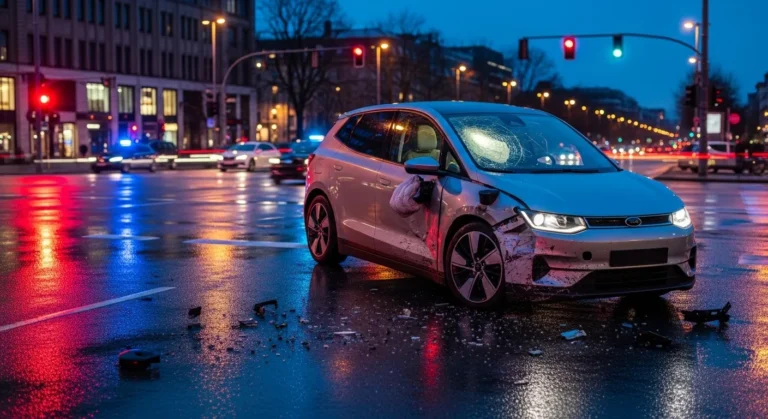
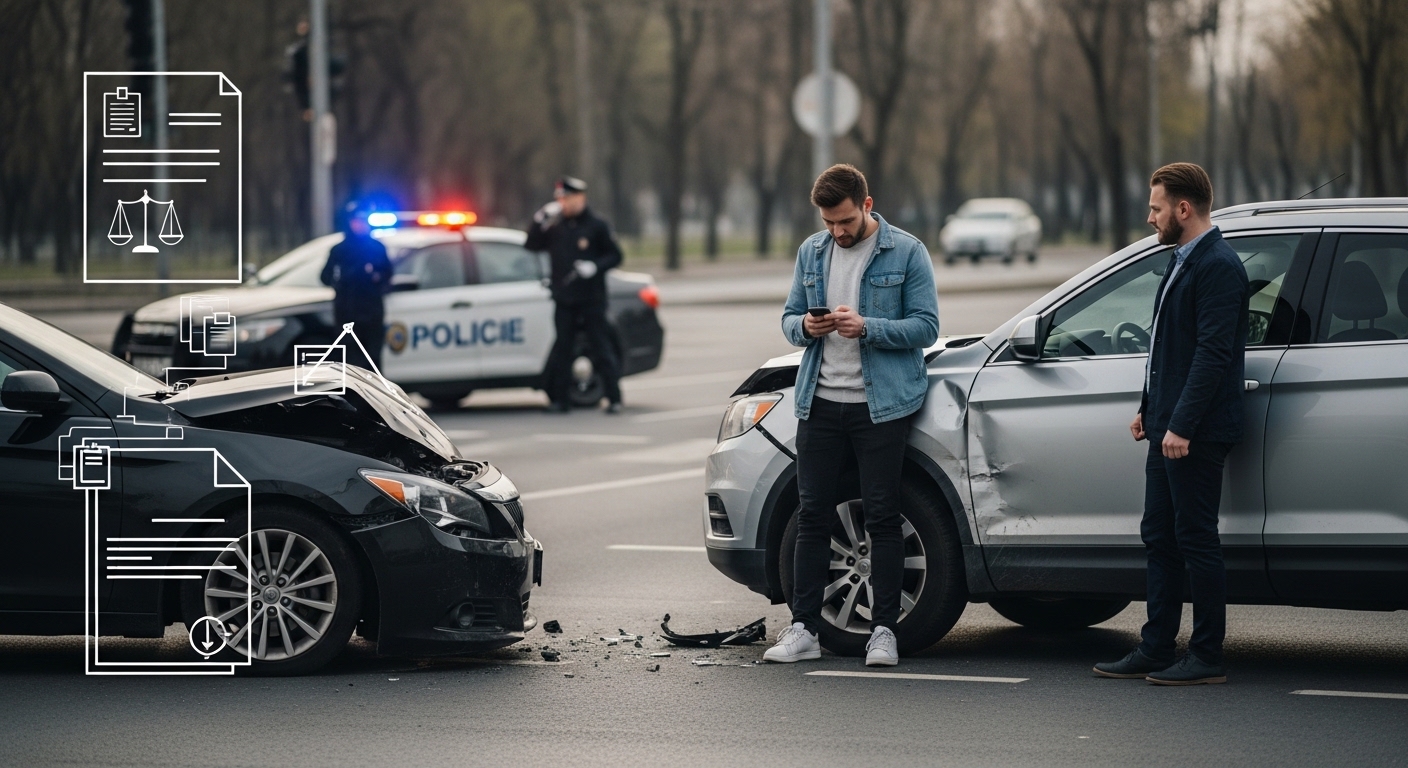
Distracted driving accident claims are becoming more important in 2026. Many crashes now involve phones, apps, GPS screens, food, passengers, or dashboard controls. A driver may only look away for a few seconds. That short mistake can still cause a serious crash.
For injured victims, the main question is simple. Did the distraction help cause the accident? If yes, the victim may have a stronger personal injury claim. The claim may include medical bills, lost income, pain, vehicle damage, and future care needs.
This topic connects well with other PI-Pedia guides. Readers can also review what to do after a car accident, comparative negligence in car accident cases, delivery driver injury claims, and robotaxi accident claims in 2026. These topics often overlap with distracted driving cases.
Distracted driving does not only mean texting. It can include any action that takes a driver’s eyes, hands, or mind away from the road. That makes these claims more complex than many people expect.
Why Distracted Driving Accident Claims Matter in 2026
Modern drivers use more technology than ever before. Phones, navigation apps, music apps, delivery apps, and vehicle touchscreens now compete for attention. These tools can help drivers, but they can also create danger.
A crash can happen when a driver looks down to read a message. It can also happen when someone changes a route, accepts a delivery order, or adjusts a screen. The driver may think the action is harmless. The road can change before the driver looks up again.
Insurance companies often try to reduce the value of these claims. They may blame traffic, weather, sudden braking, or poor visibility. Those factors may matter. Still, they do not excuse a driver who failed to pay attention.
That is why evidence matters. A victim needs more than a suspicion. A strong claim should show what the driver did before the crash. It should also connect that action to the impact.
Phone Use Is Only One Part of the Problem
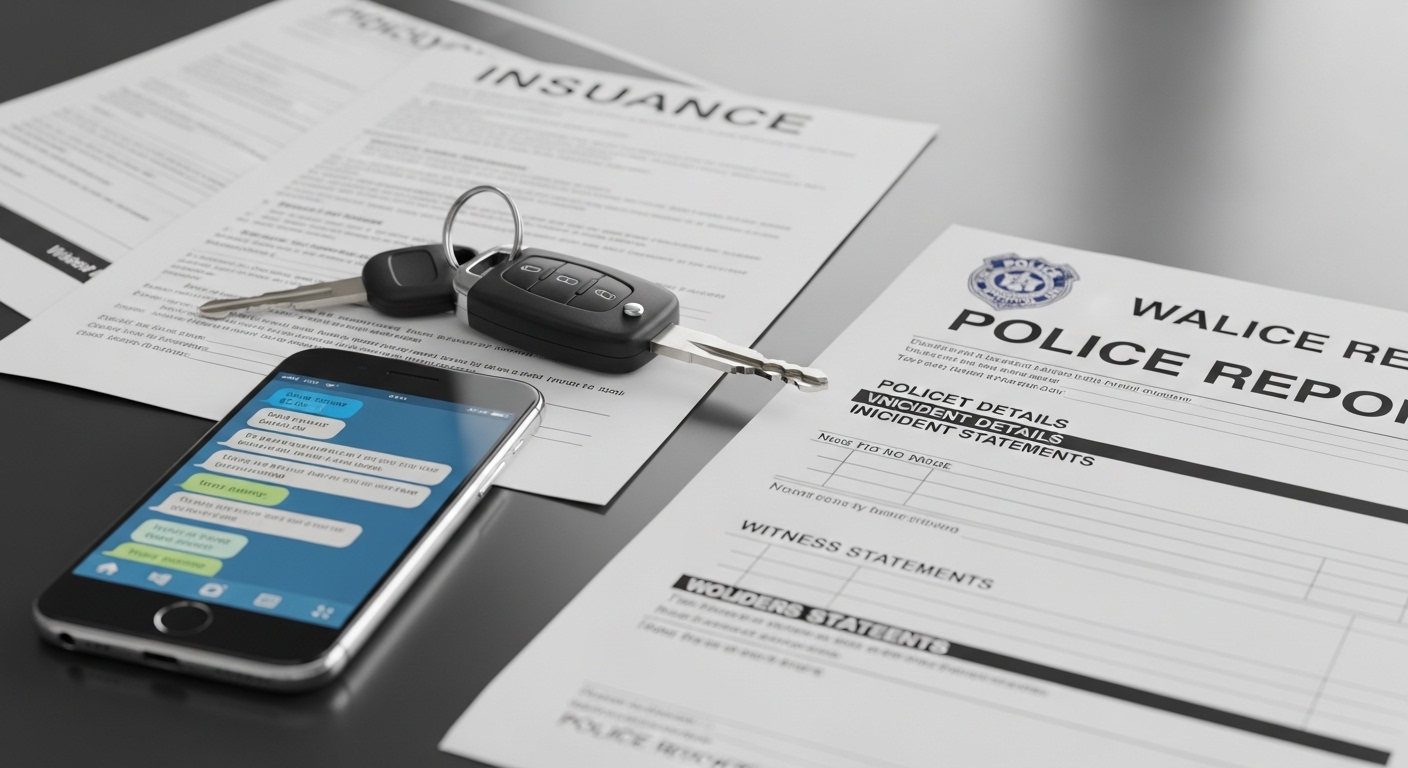
Phones play a major role in many distracted driving accident claims. A driver may send a text, answer a call, check social media, or look at a notification. Any of these actions can create risk.
However, phones do not tell the whole story. A driver can also become distracted by food, drinks, passengers, pets, maps, or items inside the vehicle. Even a short glance away from traffic can change everything.
Texting, navigation, food, passengers, and in-car screens can all matter
Many drivers use navigation while driving. That can create a problem when they type an address or look too long at the screen. Delivery drivers may also check app alerts, route changes, or customer messages.
Large dashboard screens can also distract drivers. Some vehicles place climate controls, music settings, and navigation on one screen. This can pull the driver’s attention away from the road.
Passengers may also distract a driver. A loud conversation, argument, or sudden movement can break the driver’s focus. The same is true when a driver reaches for dropped items.
Crash details can disappear quickly if evidence is not preserved
Evidence can disappear fast after a distracted driving crash. Dashcam videos may record over old footage. Stores may delete security videos. Drivers may delete messages or app data.
Vehicles may also get repaired before anyone checks the damage closely. Witnesses may forget details or become hard to contact. These problems can make the claim harder to prove.
Victims should act early. They should take photos, save documents, and write down what they remember. They should also collect witness names when possible.
Some cases may need phone records, app records, or vehicle data. Not every claim requires this level of proof. Still, early action gives the victim more options.
How Fault Is Proven After a Distracted Driving Crash
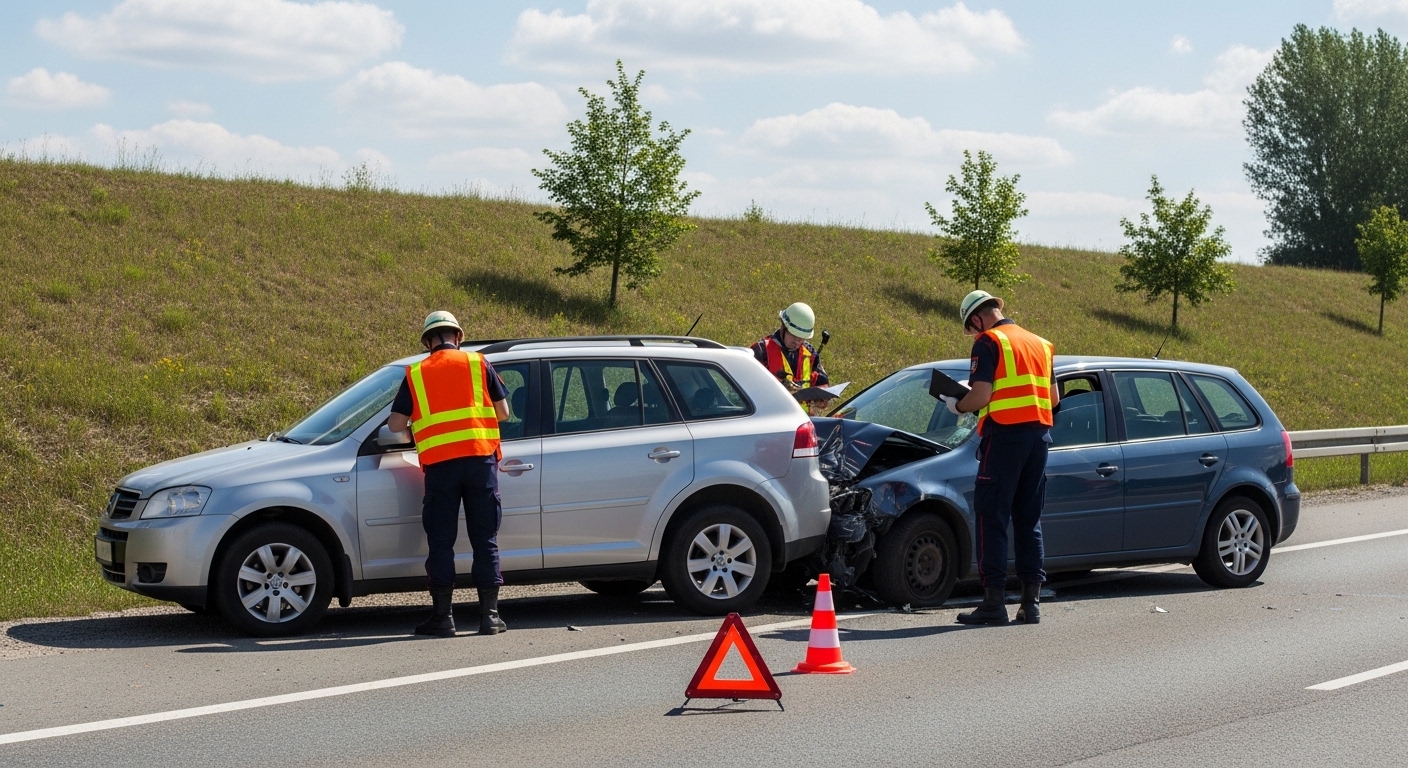
To win a personal injury claim, the victim must usually prove fault. The victim must show that the other driver had a duty to drive safely. Then the victim must show that the driver broke that duty.
Distraction can show that breach. For example, a driver may fail to brake because they looked at a phone. A driver may drift into another lane because they watched a screen. A driver may hit a pedestrian because they checked a message.
The victim must also prove damages. Damages can include medical treatment, lost wages, pain, emotional stress, and property damage. Severe crashes may also lead to long-term care needs.
Strong evidence connects distraction to the moment of impact
The best evidence connects the distraction to the crash time. A text from one hour earlier may not help much. A text sent seconds before impact can matter a lot.
Other useful evidence may include call logs, GPS activity, app records, photos, videos, and witness statements. Police reports may also include important notes. Some officers record whether a driver admitted phone use.
Comparative negligence can also affect the claim. The other side may argue that the victim also made a mistake. They may claim the victim drove too fast, followed too closely, or reacted too late.
That does not automatically defeat the case. It only means the facts need careful review. Readers can learn more through PI-Pedia’s guide on comparative negligence.
What Victims Should Do After a Distracted Driving Accident
Safety comes first after any crash. Call emergency services when someone has pain, bleeding, confusion, dizziness, or trouble breathing. Neck, back, and head symptoms also need attention.
Some injuries do not feel serious right away. Adrenaline can hide pain after a collision. Medical records also help connect the injuries to the accident.
After getting safe, document the scene. Take photos of vehicle damage, road signs, skid marks, debris, traffic signals, and visible injuries. Take photos from different angles.
Ask witnesses what they saw. They see the driver looking down? Did they see a phone? The driver failed to brake? These details can help support distracted driving accident claims.
Medical, Legal, and Insurance Steps That Protect the Claim
Victims should follow medical advice after the crash. Missed appointments can hurt the claim. Insurance companies may argue that the injuries were not serious.
Keep every bill, receipt, diagnosis, and treatment note. Track missed work days and reduced income. Save repair estimates and rental car expenses.
Victims should also be careful with insurance calls. Adjusters may sound friendly, but they protect the insurance company. A recorded statement can create problems later.
A victim should avoid guessing about speed, distance, or fault. Simple facts work better than uncertain answers. When unsure, it is better to say that the investigation is still ongoing.
Early action helps prevent the insurer from controlling the story
Insurance companies may move quickly after a crash. They may contact the victim before the full injury picture becomes clear. They may also offer a fast settlement.
A quick offer may not cover future treatment. It may also ignore lost income, pain, or long-term limits. Once the victim signs a release, the claim usually ends.
That is why victims should understand their rights before accepting money. They should also keep copies of every document. Strong organization can improve the claim.
For safety information, readers can review the NHTSA distracted driving resource. It explains common distractions and national safety efforts.
Distracted driving accident claims require clear proof. The victim must show distraction, fault, causation, and damages. Phone records may help. So can witnesses, photos, police reports, dashcam footage, and medical records.
The main lesson is simple. Do not wait too long. Evidence can disappear, and insurance companies can shape the story early. Victims who document the crash, get medical care, and protect their records have a better chance of building a strong claim.