E-Bike and E-Scooter Accident Claims in 2026: Liability, Evidence, and Victim Rights
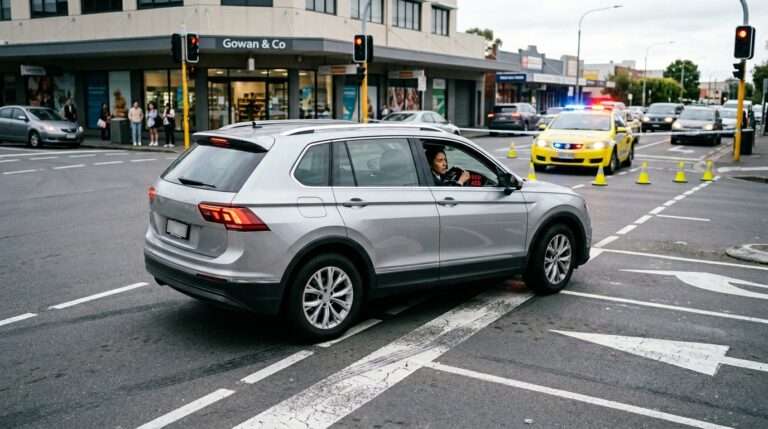
E-bike accident claims are becoming more common in 2026. More people now use e-bikes and e-scooters for work, school, errands, and short city trips. These devices are fast, quiet, and easy to rent or buy. They also create new risks when riders share space with cars, trucks, pedestrians, and damaged roads.
The same trend also affects e-scooter accident claims. A short ride can turn serious when a driver fails to yield, a scooter hits a pothole, or a rental device has a brake problem. Some crashes involve one rider. Others involve cars, delivery vehicles, pedestrians, bike lanes, sidewalks, or unsafe property conditions.
This topic fits PI-Pedia because it connects with many existing guides. Readers may also review what to do after a car accident, comparative negligence in car accident cases, delivery driver injury claims, and lithium-ion battery fire injury claims. E-bike and scooter cases can involve all these legal issues.
The legal question is often simple at first. Who caused the crash? The answer may not be simple. A driver, rider, rental company, property owner, city agency, product maker, or maintenance provider may all play a role. That is why victims should understand how these claims work.
Why E-Bike Accident Claims Are Rising in 2026
E-bikes and e-scooters give people a faster way to move through crowded areas. They help riders avoid parking problems and traffic delays. They also cost less than owning a car. For many workers, students, and delivery riders, they are now part of daily life.
But the growth of micromobility has created legal problems. Roads were not always designed for small electric devices. Bike lanes may end suddenly. Pavement may have holes, cracks, gravel, or uneven edges. Drivers may not expect an e-bike to move faster than a regular bicycle.
Some riders also face pressure. Delivery workers may rush to complete orders. Students may ride in traffic to get to class. Tourists may rent scooters without knowing local road rules. These situations increase the chance of a crash.
When an injury happens, insurance companies may argue about fault. They may blame the rider for speed, helmet use, location, or lack of attention. The rider may blame a careless driver, broken scooter, bad road, or unsafe rental process. The final value of the claim depends on the evidence.
Common Causes of E-Bike and E-Scooter Crashes
Many crashes happen because drivers do not see riders. E-bikes and scooters are smaller than cars. They can also move quickly through intersections, parking lots, and bike lanes. A driver who turns without checking can hit a rider in seconds.
Dooring accidents are another risk. This happens when a parked driver opens a door into the path of a rider. A rider may crash into the door or swerve into traffic. These cases can cause serious head, shoulder, wrist, and knee injuries.
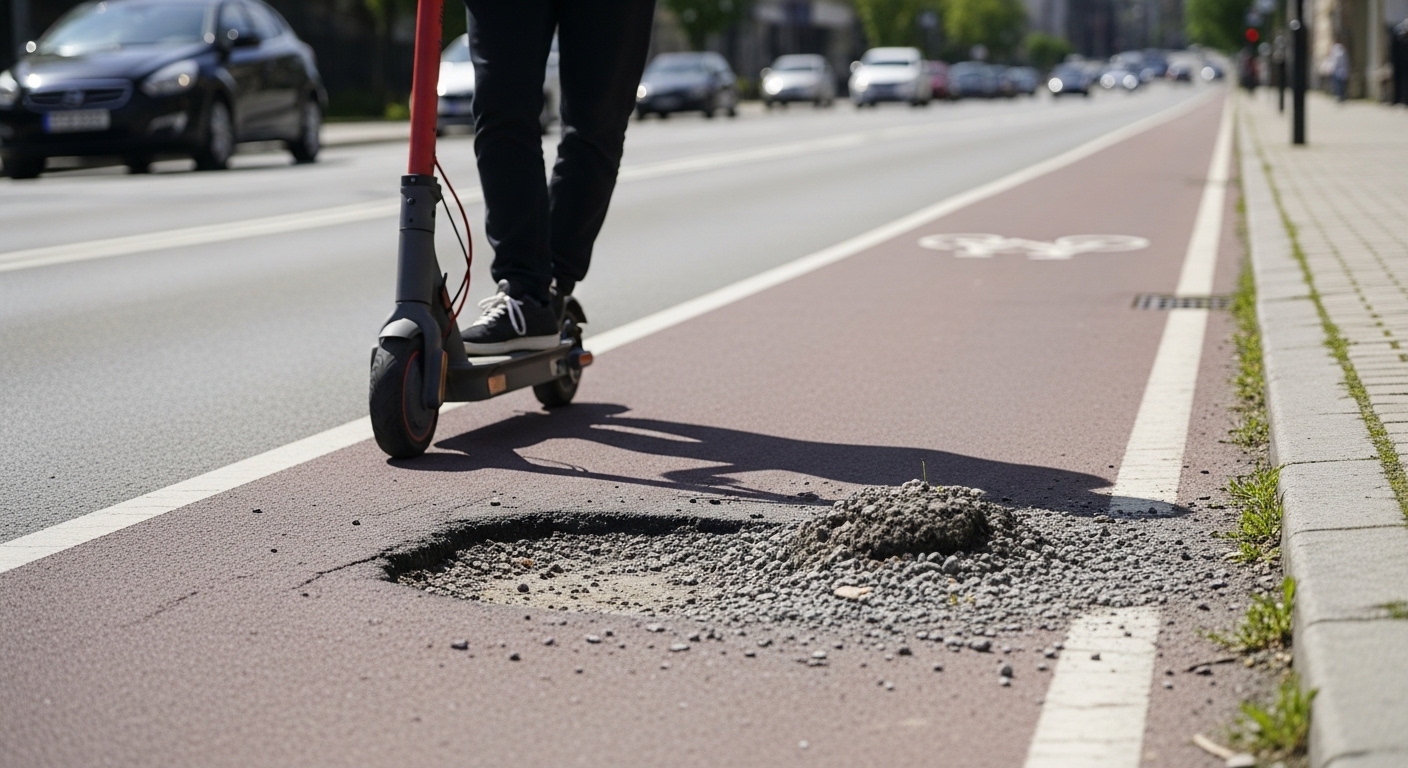
Road conditions also matter. Small scooter wheels can catch on potholes, cracks, rails, drains, or uneven pavement. A bump that feels minor in a car can throw a scooter rider forward. E-bike riders can also lose control on loose gravel, wet leaves, or broken pavement.
Driver negligence can create serious rider injuries
Driver negligence is one of the most common issues in e-bike accident claims. A driver may run a red light, speed, text, fail to yield, or make an unsafe turn. Even a low-speed impact can cause major harm because riders have little protection.
Common injuries include concussions, fractures, road rash, shoulder injuries, spinal injuries, and dental trauma. Some victims also suffer long-term pain or reduced mobility. Medical records help connect these injuries to the crash.
Road hazards and poor property conditions may affect liability
Not every case involves a moving vehicle. Some crashes happen because of unsafe pavement, poor lighting, blocked paths, broken stairs, loose mats, or dangerous parking areas. These facts may create a premises liability issue.
For example, a rider may crash in a private parking lot because a property owner ignored a deep pothole. A delivery rider may fall near a business entrance because the walkway was unsafe. In those cases, the claim may involve both vehicle accident law and property safety rules.
Who May Be Liable After an E-Bike or E-Scooter Accident?
Liability depends on the facts. In some cases, one careless driver clearly caused the crash. In other cases, several parties may share fault. That is why victims should not assume the case is simple.
A negligent driver may be liable if they hit the rider while speeding, turning, backing up, or using a phone. A rider may also have a claim against a rideshare driver, delivery driver, truck driver, or company vehicle operator.
A rental company may become part of the case if the device had known problems. Faulty brakes, broken throttles, loose handlebars, bad tires, and poor maintenance can all matter. The company’s inspection process may become important.
A manufacturer may face liability if a product defect caused the crash. This may include brake failure, battery failure, steering issues, frame defects, or poor warnings. These cases may require expert review.
Shared fault can reduce the value of the claim
Shared fault is a major issue in e-scooter accident claims. The insurance company may say the rider moved too fast, ignored traffic rules, rode on the wrong side, carried a passenger, or failed to watch the road.
Those arguments do not always defeat the claim. They only make the facts more important. Many states use comparative negligence rules. That means compensation may depend on each party’s share of fault. Readers can learn more in PI-Pedia’s guide on comparative negligence in car accident cases.
How Victims Can Protect E-Scooter Accident Claims
After any e-bike or scooter crash, safety comes first. Move away from traffic if possible. Call emergency services if anyone has head pain, neck pain, back pain, bleeding, dizziness, confusion, or trouble walking. Some injuries feel worse hours later.
Medical care matters for two reasons. First, it protects the victim’s health. Second, it creates records that connect the injury to the accident. Insurance companies often question delayed treatment.
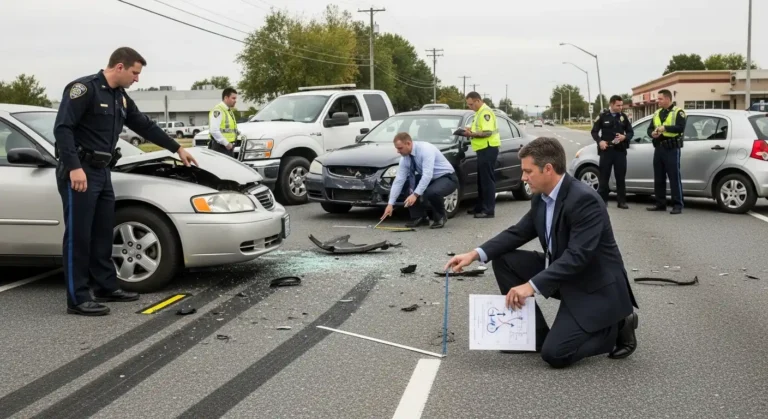
Scene evidence also matters. Take photos of the device, vehicle damage, road surface, traffic signs, skid marks, lighting, helmet, clothing, and injuries. Capture wide shots and close-up shots. If the road caused the fall, take clear photos before anyone repairs the hazard.
Witnesses can help prove what happened. Ask for names, phone numbers, and short statements. Nearby homes or stores may also have doorbell or security cameras. That footage may disappear quickly, so early action is important.
Important Evidence in E-Bike Accident Claims
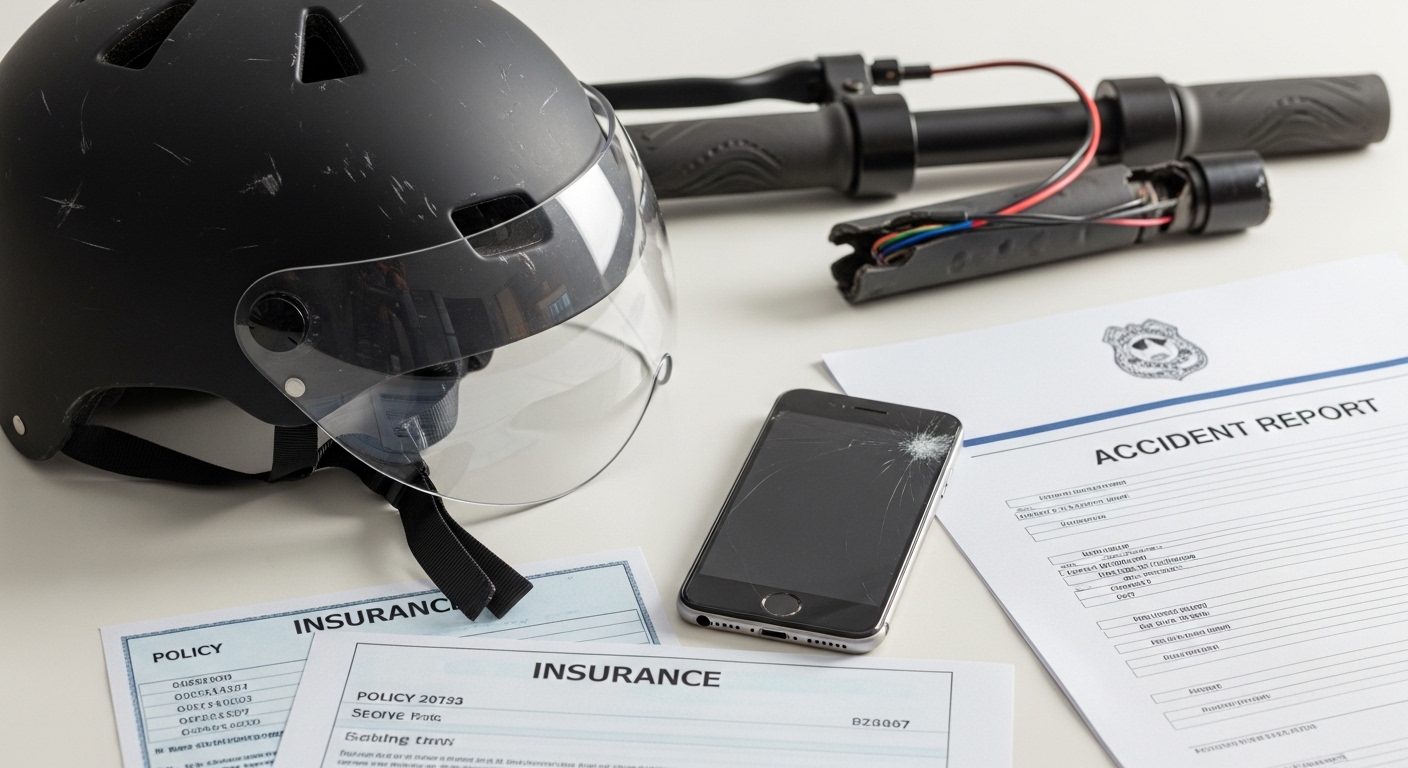
Strong evidence can make the difference between a denied claim and a fair settlement. Useful evidence may include police reports, medical records, photos, repair records, witness statements, rental app data, GPS history, and device maintenance records.
For rental scooters, app records may show the time, route, speed, and device number. For delivery riders, app screenshots may show that the rider was working. This can matter if the case also involves workers’ compensation or a third-party personal injury claim.
Helmet use may also become part of the claim. A helmet can reduce injury risk, but lack of a helmet does not automatically erase liability. The defense may still raise the issue, especially in head injury cases.
Digital records can help prove timing and fault
Digital evidence can support both e-bike accident claims and e-scooter accident claims. App logs, trip receipts, location data, dashcam footage, and phone records may show where the rider was and what happened before the crash.
Victims should save screenshots as soon as possible. They should also keep emails, rental receipts, repair estimates, and messages from insurance companies. Simple organization can help protect the claim later.
For safety guidance, readers can review the CPSC micromobility safety resource. It explains common risks involving e-bikes, e-scooters, hoverboards, batteries, helmets, and safe riding habits.
The main lesson is clear. These claims are not only about the rider. They may involve drivers, roads, products, rentals, employers, and property owners. Victims who act quickly have a better chance of protecting evidence.
E-bike accident claims will likely keep growing as more people use small electric vehicles. The same is true for e-scooter accident claims. Riders, drivers, and property owners all have safety responsibilities. When someone breaks those responsibilities and causes harm, the injured person may have legal options.
Anyone hurt in a micromobility crash should document the scene, get medical care, save digital records, and avoid quick insurance settlements. A fast settlement may not cover future treatment, lost income, pain, or long-term limits. Clear evidence gives the victim a stronger path forward.