Hands-Free Driving Accident Claims in 2026: Evidence, Liability, and Victim Rights
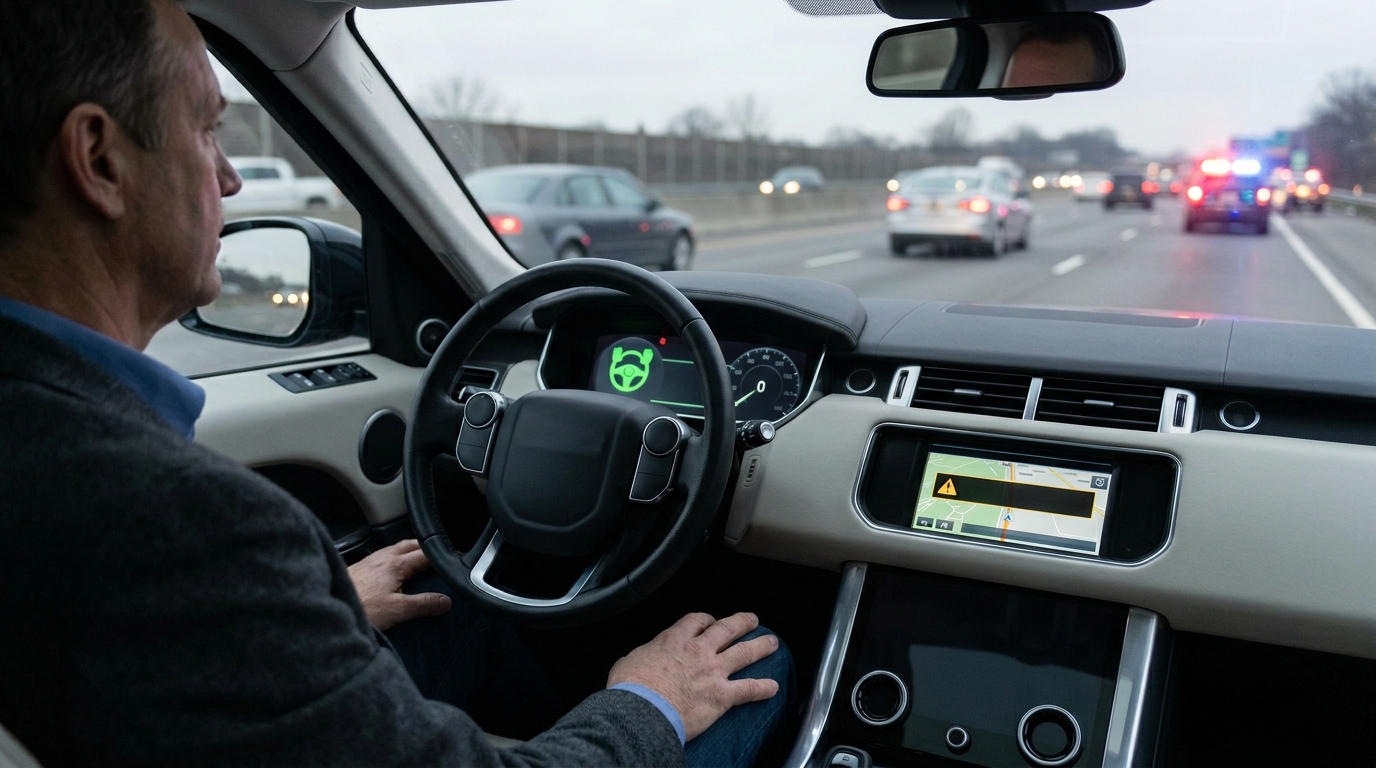
Hands-free driving accident claims are becoming a major issue in personal injury law. More vehicles now include advanced driver-assistance features. These systems may help with steering, speed, lane position, braking, and following distance. Still, they do not turn a car into a fully self-driving vehicle.
When a crash happens, injured victims may need clear answers. Did the human driver fail to pay attention? The system failed to warn or respond? Another driver creates the danger? In some cases, more than one party may share responsibility.
This topic fits PI-Pedia because it connects with modern vehicle accident claims. A hands-free crash may overlap with distracted driving accident claims, robotaxi accident claims, and the basic steps covered in what to do after a car accident. The main difference is the evidence. These claims often require technical proof, not just photos and witness statements.
Many drivers misunderstand hands-free technology. A vehicle may stay centered in a lane, but the driver must still watch the road. A system may slow down for traffic, but it may not detect every stopped vehicle, cyclist, pedestrian, emergency vehicle, or construction zone. When technology and human attention both fail, the injury claim can become more complex than a normal car accident case.
Why Hands-Free Driving Accident Claims Are Trending
Modern vehicles now offer more Level 2 driver-assistance features. These systems can control steering and speed at the same time. However, the driver must still supervise the road and remain ready to take over. That detail matters in every injury claim.
The phrase “hands-free” can create false confidence. Some drivers think the system can handle the road alone. Others believe the car will always brake, steer, or warn them before danger appears. That belief can lead to delayed reactions and serious crashes.
A crash involving hands-free technology may raise several questions. Was the system active before impact? Did the vehicle give warnings? Was the driver looking at the road? Did automatic emergency braking activate? Did the system disengage before the crash? Did the manufacturer explain the limits clearly?
These questions make hands-free driving accident claims different from standard car accident claims. The case may require vehicle data, software records, repair history, owner manuals, and expert review.
Driver-assistance is not the same as self-driving
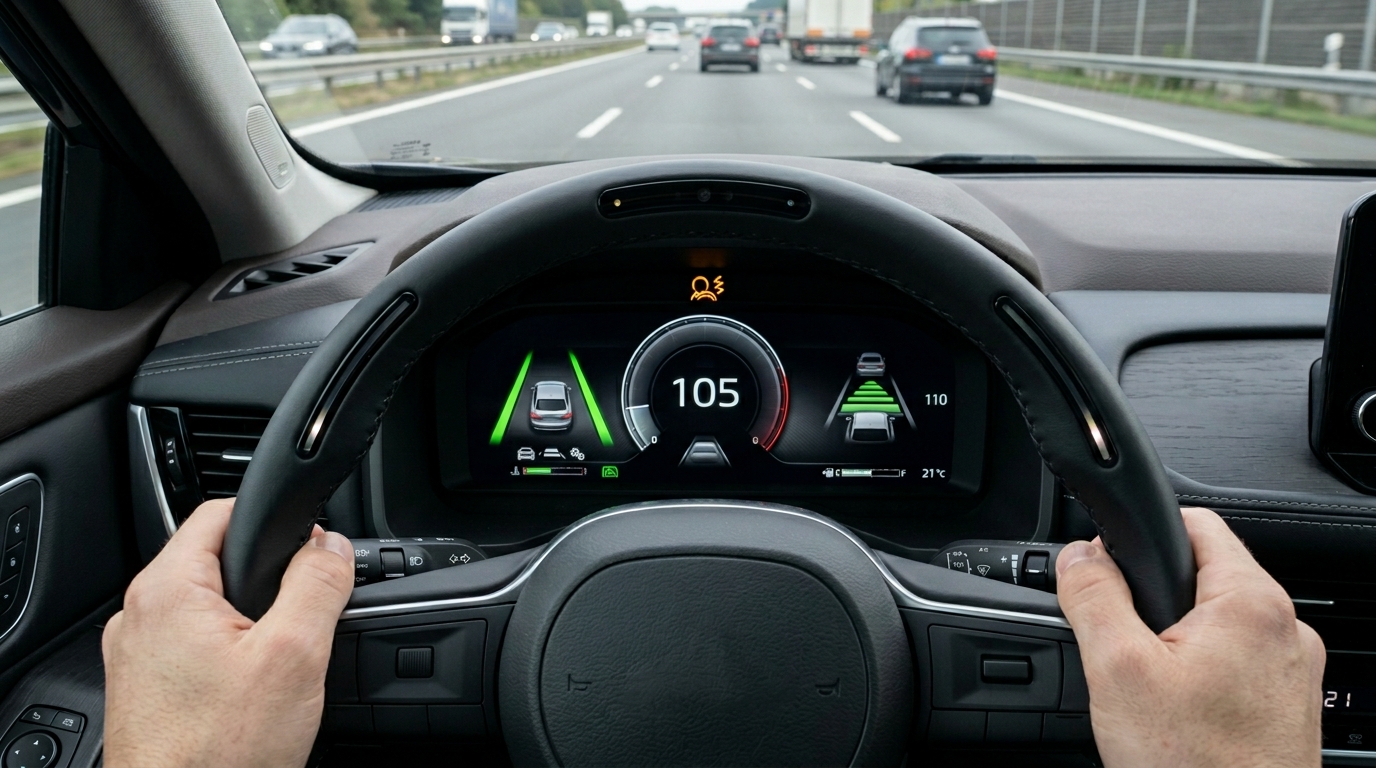
The most important distinction is simple. Driver-assistance does not equal full automation. In many vehicles, the system can help with specific tasks. It cannot replace the driver.
The driver still has a duty to monitor traffic, follow road rules, react to hazards, and take control when needed. If the driver uses a phone, looks away, ignores alerts, or relies too much on the system, that conduct may support a negligence claim.
At the same time, the technology still deserves review. A manufacturer may create risk if the system gives unclear warnings, encourages overconfidence, or fails to monitor driver attention. A strong investigation should examine both the driver and the technology.
System limits and driver attention matter
Hands-free systems usually work only under certain conditions. They may need clear lane markings, mapped roads, functioning cameras, radar, and predictable traffic. Rain, glare, curves, road work, faded lines, and stopped vehicles can affect performance.
If the driver ignored system limits, the claim may focus on driver negligence. If the vehicle design made misuse likely, the case may also involve product liability. The facts decide the direction of the claim.
Who may be liable after a hands-free driving crash?
Liability depends on what caused the crash. A driver may bear responsibility for inattention, speeding, impairment, unsafe lane changes, or failure to take control. The driver may also face questions if phone use, fatigue, or distraction played a role.
A vehicle manufacturer may face scrutiny if the system failed to perform as advertised. The case may also review design choices, driver-monitoring features, warning systems, software updates, and known safety issues. In some claims, a software provider, sensor supplier, repair shop, rental company, fleet operator, or employer may also become relevant.
Work-related crashes can add another layer. If a delivery driver used hands-free technology during a route, the claim may connect with delivery driver injury claims. That type of case may involve workers’ compensation, employer liability, third-party claims, and commercial insurance.
Other drivers can still share fault. A hands-free system does not automatically make the equipped vehicle the only focus. Another driver may have cut across traffic, stopped suddenly, failed to yield, or caused the hazard. PI-Pedia’s guide on comparative negligence in car accident cases can help readers understand how fault may be divided.
Sudden braking, no braking, and lane-control problems
Some claims involve sudden braking without an obvious hazard. Others involve the opposite problem. The vehicle may fail to slow down, warn the driver, or react to a stopped vehicle.
Lane-control problems can also matter. A vehicle may drift, hesitate, or respond poorly near construction zones, merging traffic, road debris, or emergency scenes. These details can help show whether the system, the driver, or another party contributed to the crash.
How Victims Can Protect a Hands-Free Driving Accident Claim
The first steps after a crash still matter most. Get medical help, call the police, document the scene, and avoid quick statements about fault. Injured victims should also protect digital evidence as early as possible.
Vehicle data can disappear or become harder to access after repairs. Insurance companies may move quickly to inspect, tow, repair, or dispose of a damaged vehicle. That can create problems if the vehicle contains useful crash data.
Helpful evidence may include photos of the dashboard, warning lights, road markings, traffic signs, skid marks, vehicle positions, weather, and visibility. Witnesses may describe the driver’s behavior, sudden braking, drifting, or unusual vehicle movement. Dashcam footage, surveillance video, police bodycam footage, and nearby business cameras may also help.
Evidence that can make or break the case
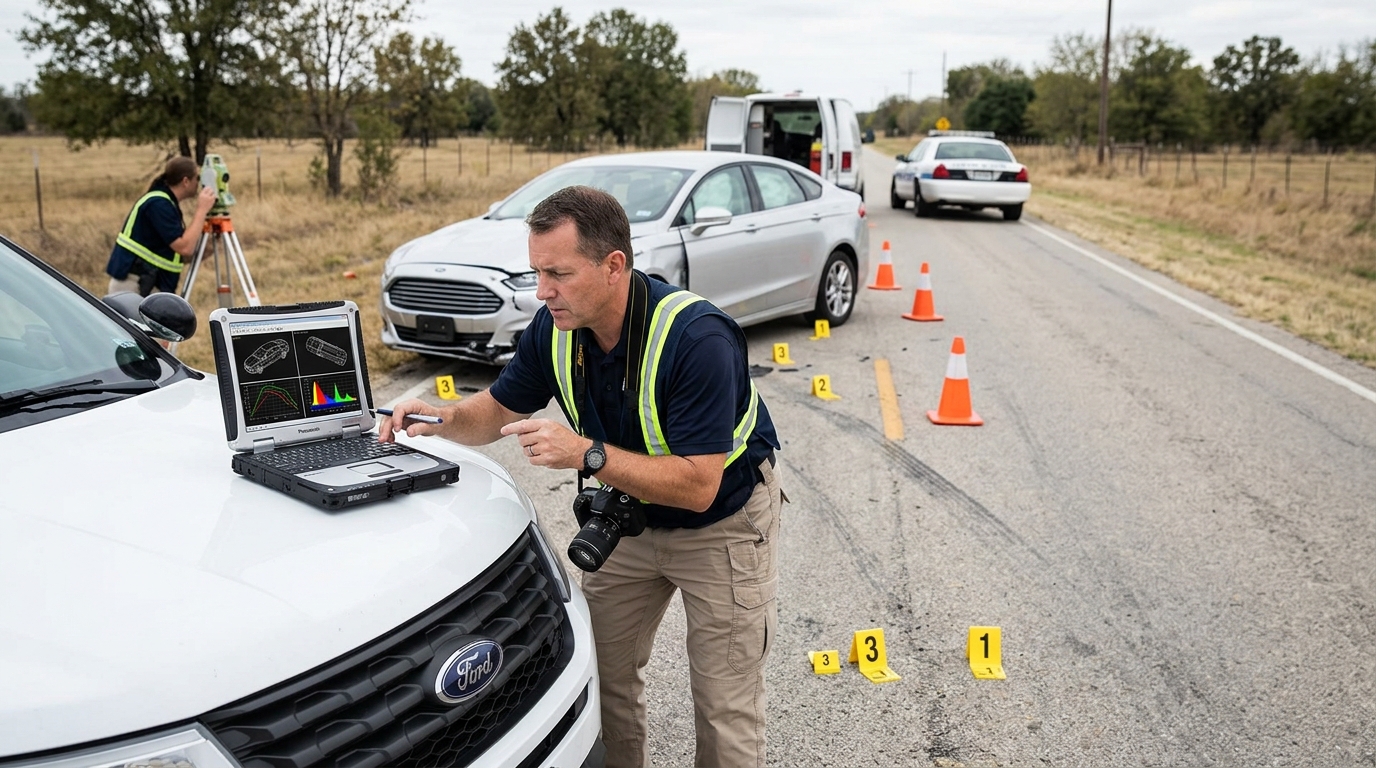
Technical evidence can play a major role in hands-free driving accident claims. Important records may include event data recorder information, onboard camera data, driver-monitoring alerts, software logs, repair history, owner manuals, recall notices, app data, and system activation records.
If the vehicle belonged to a company, rental service, rideshare platform, or fleet, additional records may exist. These may include driver schedules, maintenance logs, telematics, route data, safety policies, and prior complaints.
Victims should save anything connected to the crash. Keep medical records, repair estimates, towing documents, insurance letters, rental car receipts, lost wage records, and photos of injuries. Follow-up medical care also matters. Neck pain, back injuries, concussions, shoulder injuries, and nerve symptoms may worsen after the first day.
Vehicle data may tell the real story
Vehicle data may show whether a driver-assistance feature was active before impact. It may also show warnings, braking, speed, steering input, and driver response. That information can support or challenge what each driver says happened.
For a strong external authority link, readers can review the NHTSA Standing General Order on Crash Reporting. It explains crash reporting for incidents involving automated driving systems and Level 2 advanced driver-assistance systems.
Do not let insurance simplify the crash too early
Insurance companies often prefer a simple story. They may blame the driver, the victim, road conditions, or unavoidable circumstances. That simple version may miss important facts.
Before accepting a settlement, victims should understand the full picture. The claim may involve human negligence, product issues, system limits, shared fault, or missing data. A rushed settlement can leave serious losses unpaid.
Damages may include emergency care, hospital bills, therapy, lost income, reduced earning ability, pain and suffering, emotional distress, vehicle damage, and out-of-pocket expenses. Severe crashes may also create long-term medical needs. If the crash caused permanent impairment or death, evidence preservation becomes urgent.
The bottom line is direct. Hands-free does not mean responsibility-free. Drivers must still pay attention. Companies must also design, test, warn, and market their systems responsibly.
As driver-assistance technology becomes more common, hands-free driving accident claims will likely become one of the most important modern topics in car accident law. The safest approach is to preserve evidence, document injuries, identify all possible responsible parties, and avoid early assumptions.