Pedestrian Accident Claims in 2026: SUV Blind Zones, Crosswalk Evidence, and Victim Rights
Pedestrian accident claims in 2026 are becoming more important because walking near traffic remains dangerous in many communities. A person crossing the street has no seat belt, airbag, helmet, or vehicle frame for protection. When a car, SUV, pickup, delivery van, or rideshare vehicle hits a pedestrian, the injuries can become serious very quickly.
Many pedestrian crashes happen at places that should feel safe. Crosswalks, intersections, parking lots, school zones, store entrances, and neighborhood streets can all become crash scenes. In many cases, the driver says the pedestrian “came out of nowhere.” However, that explanation does not end the legal question.
A strong claim asks better questions. Was the driver speeding? Did the vehicle have a large blind zone? Was the pedestrian already in the crosswalk? Did the driver look at a phone, GPS screen, or dashboard control? Did nearby cameras capture what happened? These details can decide whether the injured person receives a fair review.
Why Pedestrian Accident Claims in 2026 Need Strong Evidence
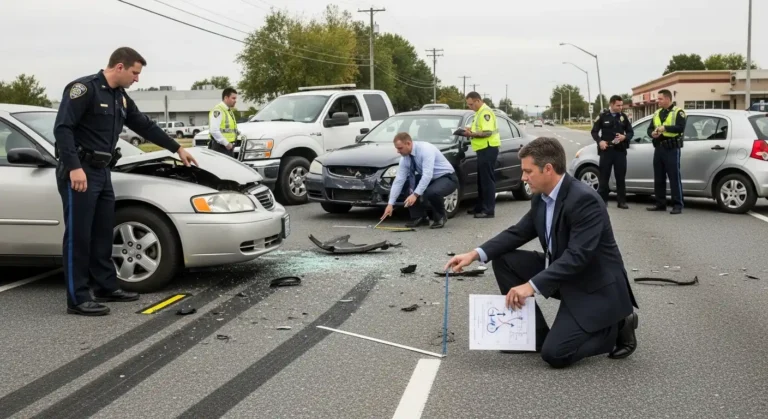
Pedestrian accident claims in 2026 often involve disputed stories. The driver may say they never saw the pedestrian. The injured person may say the driver failed to yield. A witness may remember only part of the event. Because of this, objective evidence can become extremely important.
The Insurance Institute for Highway Safety reported that vehicles with large driver-side blind zones are more likely to strike pedestrians during left turns. For safety background, readers can review the IIHS article on large blind zones and pedestrian turning crashes.
That research matters because vehicle design can affect what a driver sees. Tall hoods, thick pillars, bulky mirrors, and limited windshield views can hide a person at the exact moment a driver turns. Still, blind zones do not automatically excuse unsafe driving.
SUV and pickup blind zones can change the crash story
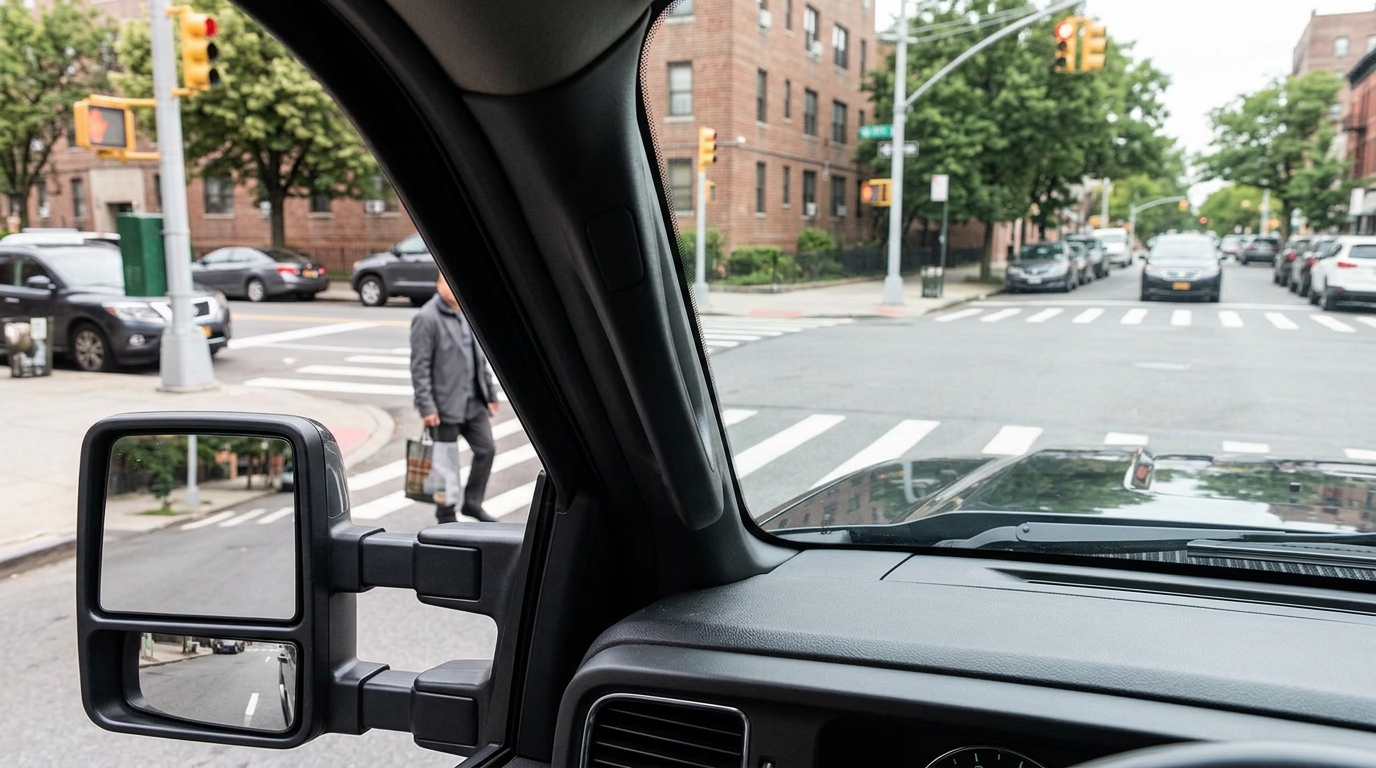
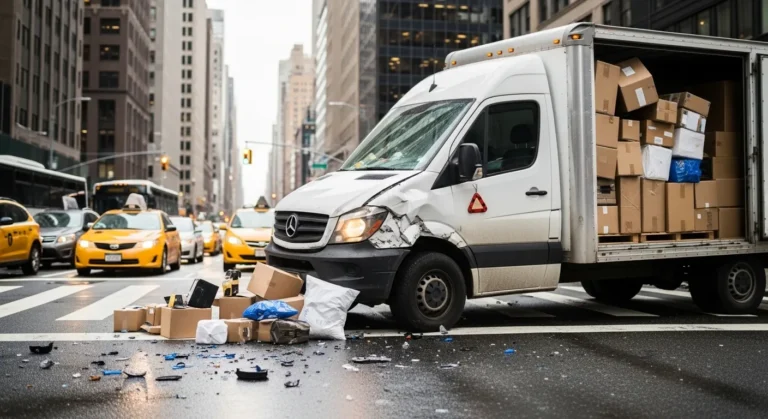
Large vehicles are common on modern roads. Families drive SUVs, workers drive pickups, and delivery routes often use vans or larger vehicles. These vehicles can offer comfort and utility, but they may also create visibility problems near crosswalks and intersections.
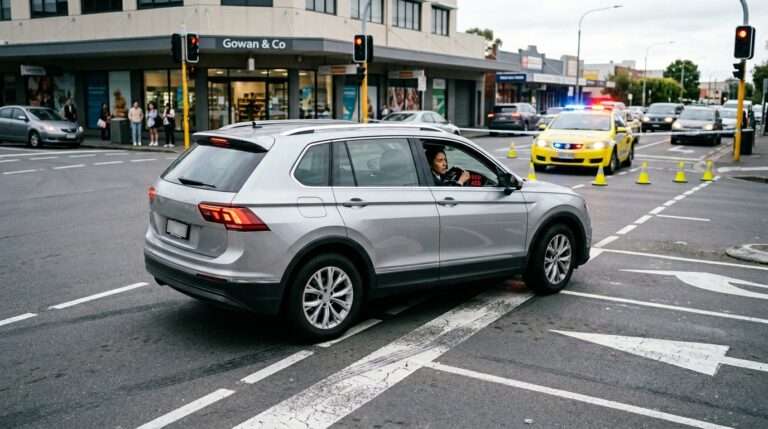
A driver sitting higher does not always see more. In fact, a tall front end can hide people close to the bumper. Thick A-pillars can block a pedestrian during a turn. Large side mirrors may also cover part of the driver’s view.
For an injury claim, these facts can matter. If the driver says they did not see the pedestrian, the investigation should look at vehicle type, turning angle, speed, lighting, and crosswalk position. A claim should not rely only on memory.
Left-turn crashes deserve closer review
Left turns can create several risks at once. The driver must watch oncoming traffic, check the crosswalk, control speed, and complete the turn safely. A pedestrian can disappear behind a pillar or mirror while the driver focuses on other vehicles.
Because of that, left-turn pedestrian crashes need careful review. Photos, video, signal timing, witness statements, and vehicle position can help show whether the driver had enough time to stop or yield.
Crosswalk location can affect liability
Crosswalk evidence can help answer important questions. Was the pedestrian crossing with the signal? Did the driver stop before the crosswalk? Were lane markings visible? Did another vehicle block the driver’s view? Was the crossing area poorly lit?
These details can strengthen or weaken a claim. They can also affect comparative negligence arguments. PI-Pedia’s guide on comparative negligence in car accident cases explains how shared fault may affect compensation.
Distracted driving can make pedestrian crashes worse
Blind zones are not the only issue. Many pedestrian accident claims in 2026 also involve distraction. A driver may glance at a phone, delivery app, navigation screen, food order, music control, or message notification. That short glance can be enough to miss someone in a crosswalk.
Distraction can be difficult to prove without records. Useful evidence may include phone data, dashcam footage, witness statements, app timestamps, vehicle infotainment logs, and the driver’s own words after the crash. If the vehicle was part of a delivery route, work schedule or app records may also matter.
This topic connects with PI-Pedia’s article on distracted driving accident claims in 2026. Phone evidence can be especially important when a driver claims they looked but never saw the pedestrian.
Digital records may help prove timing
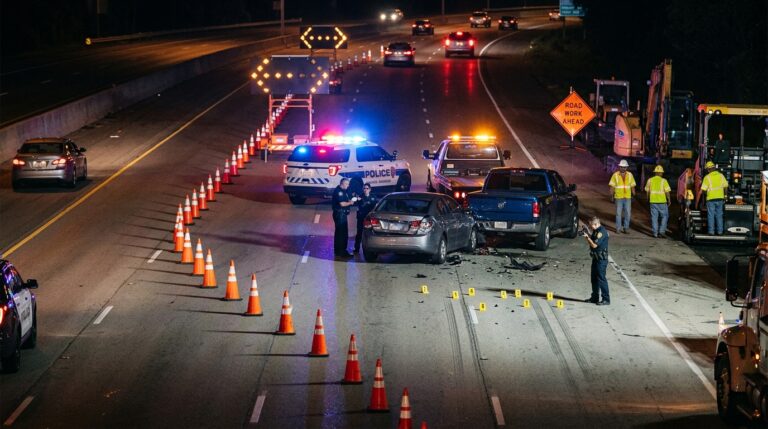
Digital evidence can show what happened before the impact. Dashcams may capture the turn. Nearby stores may have security footage. Vehicle black box data may show speed, braking, or crash timing. A phone record may show activity close to the crash.
PI-Pedia’s guide on black box accident evidence in 2026 explains how EDR data may support a crash timeline. In pedestrian cases, timing can be the difference between a denied claim and a stronger liability argument.
How Victims Can Protect a Pedestrian Injury Claim

After a pedestrian crash, medical care should come first. Pedestrian injuries can include broken bones, traumatic brain injuries, spinal injuries, internal injuries, knee injuries, shoulder injuries, facial trauma, and long-term pain. Some symptoms appear right away. Others become worse after the shock wears off.
Once urgent safety is handled, evidence preservation matters. The scene can change fast. Vehicles move, debris gets cleaned, cameras overwrite footage, and witnesses leave. A victim or family member should collect information as soon as it is safe.
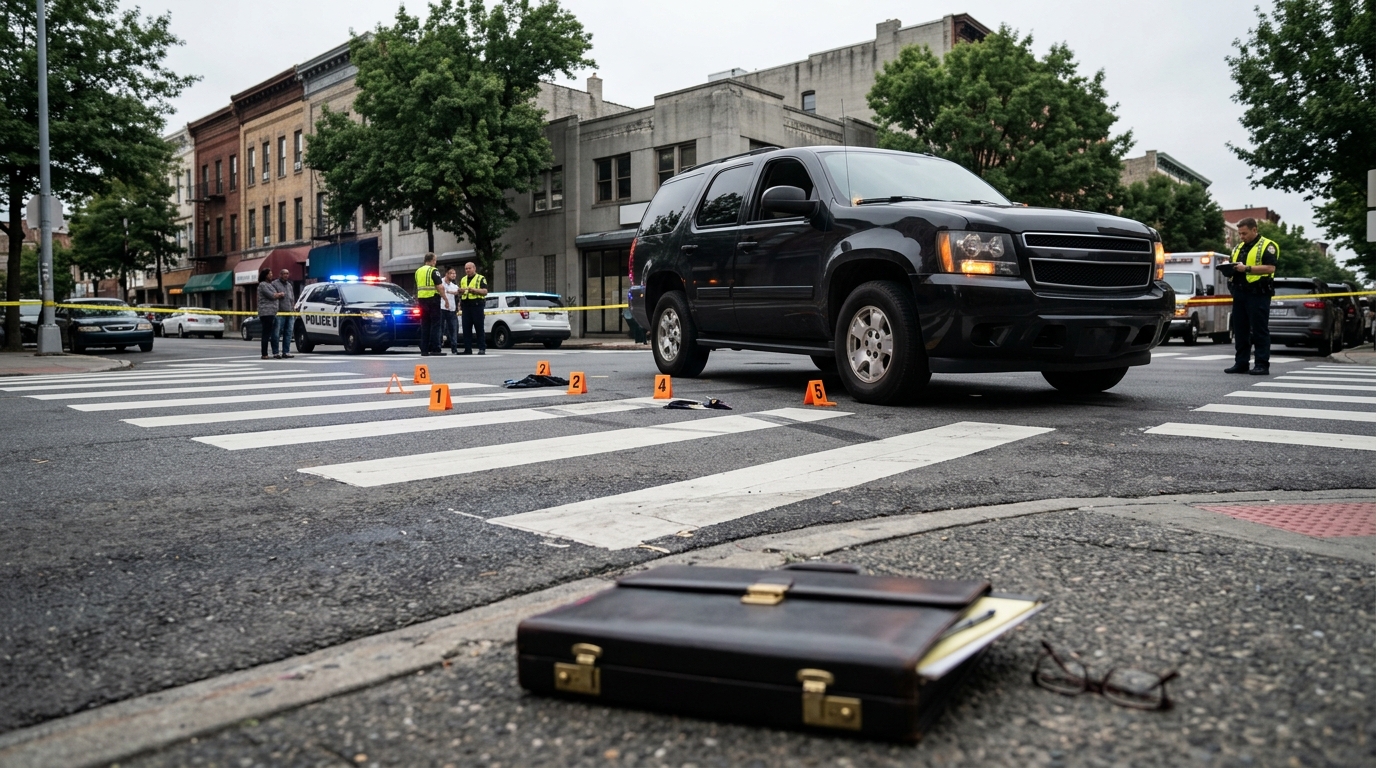
Photos should show the crosswalk, traffic signal, signs, lane markings, skid marks, vehicle damage, lighting, weather, injuries, and final vehicle position. Wide shots and close-up shots both help. If a store, bus, rideshare car, home camera, or traffic camera was nearby, write that down quickly.
Medical records and scene evidence should work together
A strong pedestrian claim connects the crash evidence with the medical evidence. Photos may show how the crash happened. Medical records show how the crash harmed the victim. Both parts matter.
Victims should save emergency records, imaging results, specialist notes, therapy plans, prescriptions, work restrictions, medical bills, and follow-up instructions. Pain journals can also help explain symptoms between appointments.
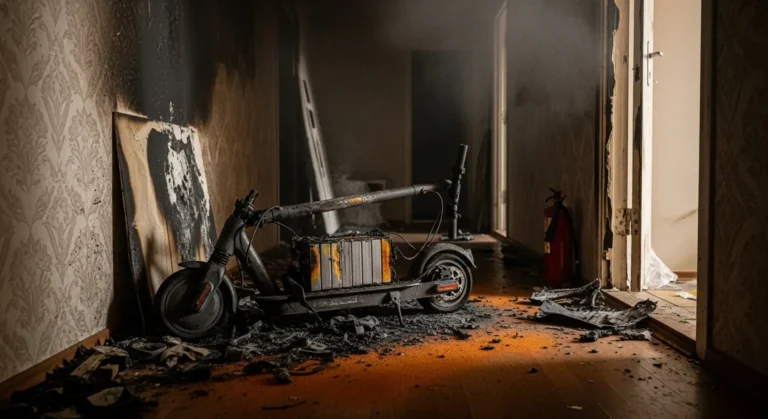
If the crash involved an e-bike, e-scooter, or rider near a crosswalk, PI-Pedia’s article on e-bike and e-scooter accident claims in 2026 may also help. Smaller road users often face similar visibility and evidence issues.
Do not rush into an insurance settlement
Insurance companies may contact a victim soon after the crash. A quick offer can feel helpful, especially when bills start arriving. However, early settlements may not include future treatment, therapy, surgery, lost income, or long-term limitations.
Before signing anything, the victim should understand the full injury picture. PI-Pedia’s article on what to do after a car accident is a helpful internal guide for early claim steps.
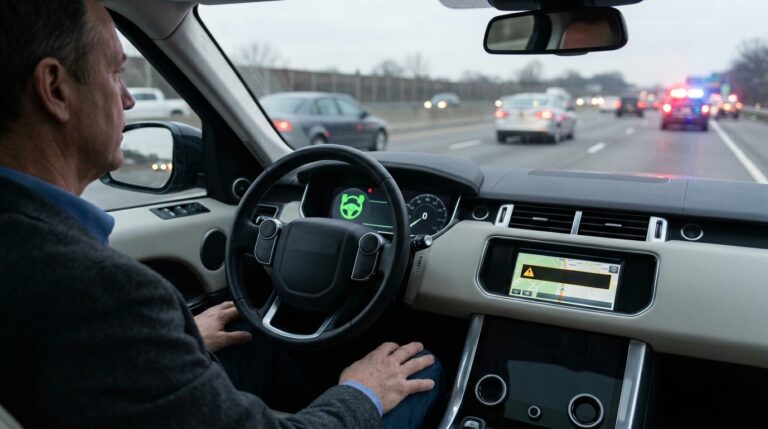
Some pedestrian cases may involve newer vehicle technology. Robotaxis, driver-assistance systems, and connected vehicles can create new evidence questions. If a self-driving rideshare or automated vehicle was involved, PI-Pedia’s guide on robotaxi accident claims in 2026 is a useful related resource.
Pedestrian accident claims in 2026 require patience and proof. A victim should not accept blame just because the driver says they never saw them. Visibility problems, distraction, speed, crosswalk design, vehicle height, and digital records can all affect the legal analysis.
The strongest claims tell a complete story. They show where the pedestrian was, what the driver did, what the vehicle could see, what the evidence proves, and how the injuries changed the victim’s life. That story should come from records, not guesses.
For PI-Pedia readers, the lesson is simple. Pedestrian crashes are not always simple accidents. They may involve unsafe turns, blind zones, distraction, poor road design, weak visibility, or disputed fault. Victims who get medical care, preserve evidence, and avoid rushed settlements have a stronger chance of protecting their rights.
General information only. This article is for educational purposes and is not legal advice. Injury laws, evidence rules, insurance procedures, and deadlines vary by location and case facts. Speak with a licensed attorney about a specific pedestrian accident claim.