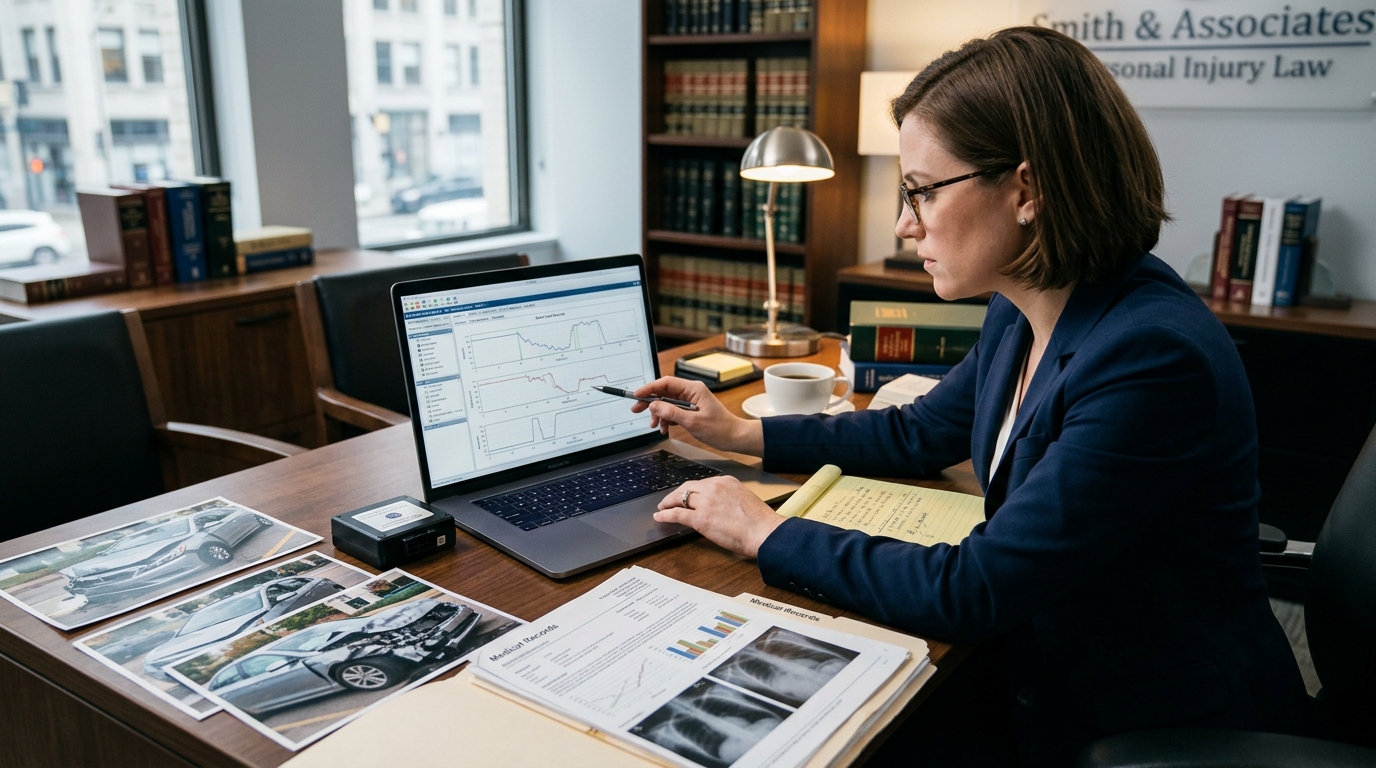
Black Box Accident Evidence in 2026: What EDR Data Can Prove After a Crash
Black box accident evidence is becoming more important in car accident claims because modern vehicles can store technical information about what happened before, during, and after a collision. Many drivers have heard of airplane black boxes, but fewer people realize that cars may also contain event data recorders, often called EDRs. After a serious crash, that data may help explain speed, braking, throttle use, seatbelt status, airbag deployment, and crash timing.
This matters because accident claims often involve conflicting stories. One driver may say they were not speeding. Another may claim they braked in time. An insurance company may argue that the impact was minor or that the injured person shared fault. When physical evidence, witness statements, and vehicle data point in the same direction, the claim can become much stronger.
However, EDR data does not tell the whole story by itself. Does not usually record audio or video. It may not explain why a driver made a mistake. May not show distraction, fatigue, road hazards, or the full medical impact of the crash. The best use of black box accident evidence is to combine it with photos, police reports, medical records, witness statements, repair estimates, and expert analysis.
PI-Pedia already covers helpful basics in What to Do After a Car Accident: Legal & Medical Guide and Understanding Comparative Negligence in Car Accident Cases. This guide focuses on how vehicle data may affect fault, evidence preservation, and injury claim value in 2026.
Why Black Box Accident Evidence Matters In 2026
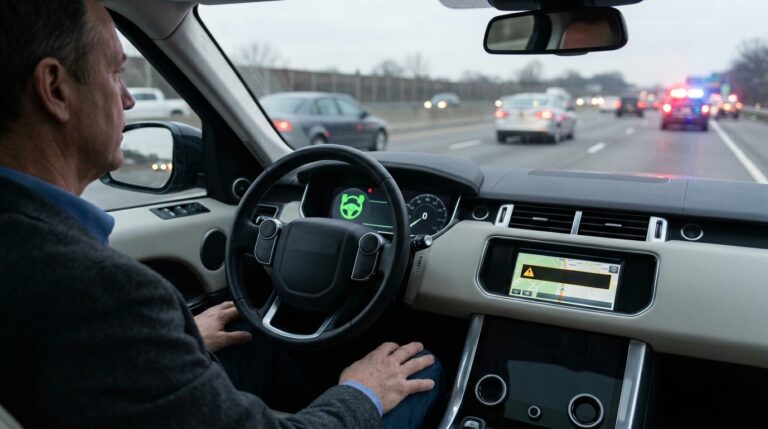
Cars have become more digital. Newer vehicles may include sensors, electronic control modules, driver-assistance systems, telematics, infotainment systems, crash notification tools, and connected services. That means a serious crash may leave behind more than skid marks and damaged panels. It may also create a technical record of the vehicle’s movement and driver inputs.
For injury victims, this can help when the other side denies responsibility. If a driver claims they were driving carefully, but the EDR shows high speed or no braking before impact, that information may support the injured person’s version of events. If the insurer argues that the crash was too minor to cause injury, crash severity data may become part of the response.
What EDR data may show after a collision
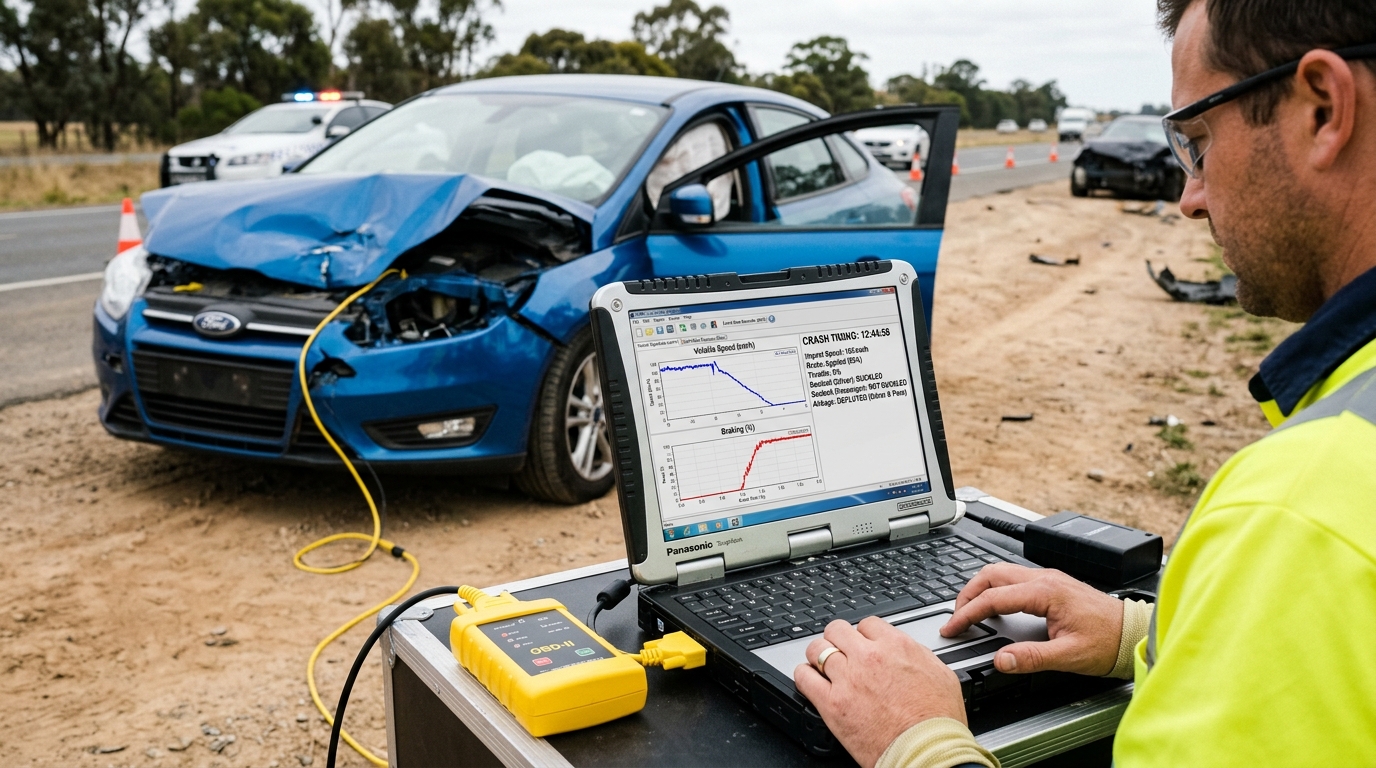
An event data recorder may store information about vehicle speed, brake application, throttle position, steering input, seatbelt use, airbag deployment, crash severity, and timing. The exact data depends on the vehicle and the system. Not every car stores the same information, and not every data point will matter in every claim.
NHTSA explains that EDRs record technical vehicle and occupant information for a brief period around a crash. For official background, readers can review the agency’s page here: NHTSA Event Data Recorder information.
Speed and braking data can challenge driver statements
Speed and braking are two of the most important issues in many crash claims. A driver may say they slowed down, but EDR data may show little or no braking before impact. A driver may claim they were traveling at the speed limit, but the data may suggest otherwise.
This can affect fault. A speeding driver may need more stopping distance and may have less time to avoid a hazard. A driver who never braked may have been distracted, impaired, asleep, or unable to react. EDR data cannot always explain why the driver failed to react, but it may show that the reaction did not happen.
Black box data can help with comparative negligence disputes
Comparative negligence means more than one person may share fault for a crash. Insurance companies often use this argument to reduce payment. They may claim the injured driver stopped suddenly, failed to avoid the crash, changed lanes poorly, or contributed to the collision.
Black box accident evidence can help answer those claims. If the injured person’s vehicle data shows normal speed, braking, or seatbelt use, it may help push back against unfair blame. If both vehicles have useful data, the timeline may become clearer. This is why vehicle preservation matters after a serious collision.
EDR data should match the rest of the evidence
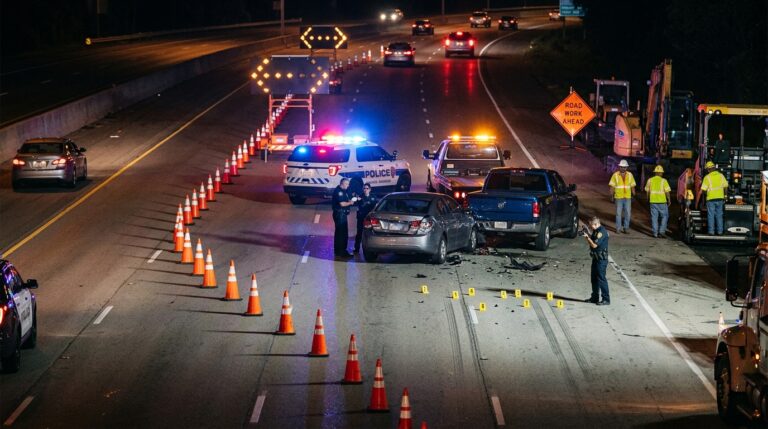
Vehicle data works best when it fits with the physical evidence. Photos, skid marks, crush damage, police reports, witness statements, and repair records can all help confirm or challenge what the EDR appears to show. A single data point should not replace a full investigation.
For example, EDR data may show braking before impact, but scene photos may help explain whether the driver braked too late. Vehicle damage may show the angle of impact. Witnesses may describe traffic signals, road conditions, or unsafe lane changes. The full claim should connect every piece of evidence into one clear timeline.
How Injured People Can Protect Vehicle Data
The biggest risk with black box accident evidence is losing it before anyone reviews it. Vehicles may be repaired, sold, salvaged, or destroyed. Data may become harder to access if control modules are damaged or if no one requests preservation early. In serious injury cases, waiting too long can weaken the evidence picture.
After a crash, medical care should come first. Once immediate safety and treatment are handled, the injured person should begin preserving records. That includes crash photos, the police report, insurance letters, medical records, repair estimates, towing documents, and any information about where the vehicle is stored.
When EDR data may be worth requesting
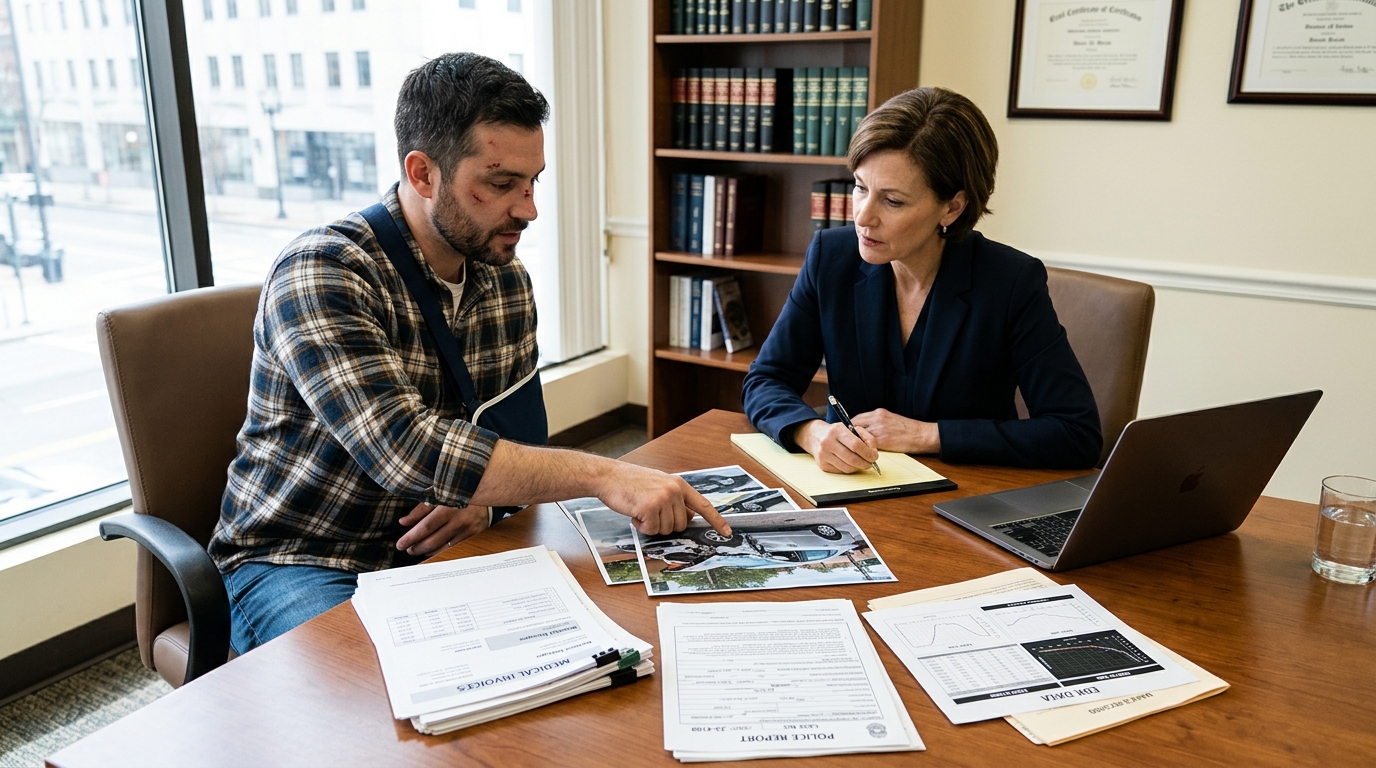
Not every minor crash needs a technical data download. EDR evidence becomes more important when injuries are serious, fault is disputed, vehicles are heavily damaged, speed is contested, airbags deployed, or someone claims the crash happened differently than the physical evidence suggests.
It can also matter in crashes involving commercial vehicles, rideshare vehicles, delivery drivers, robotaxis, driver-assistance systems, or multiple vehicles. PI-Pedia’s guide on Robotaxi Accident Claims in 2026 is a good related read because newer crash claims may involve both human actions and technical system records.
Do not let the vehicle disappear too quickly
If the crash caused serious injuries, think carefully before releasing the vehicle to be repaired, sold, or scrapped. The vehicle itself may contain important proof. A lawyer or expert may need to inspect damage, photograph components, retrieve EDR data, or compare the physical evidence with the crash report.
A preservation letter may help protect evidence by notifying the other driver, insurer, storage yard, repair shop, or company that relevant records and vehicle data should not be destroyed. This step can matter when the other party controls the vehicle or when a commercial company has access to records.
Medical records still matter as much as vehicle data
Strong crash data will not prove the full value of an injury claim without medical documentation. EDR data may show how the crash happened, but medical records show how the crash harmed the injured person. Both pieces matter.
Victims should seek treatment, follow medical advice, keep appointment records, save bills, track symptoms, and document missed work. If symptoms appear later, do not ignore them. Neck pain, back pain, headaches, dizziness, numbness, and concussion symptoms may worsen after the first day.
Black box accident evidence can be powerful, but it should be handled carefully. It may prove speed, braking, seatbelt use, and crash timing. It may also raise new questions that require expert review. Insurance companies may try to use the same data to reduce a claim, so context matters.
The smartest approach is to preserve the vehicle, collect all evidence, get medical care, avoid guessing in statements, and review the full crash timeline before accepting a settlement. A modern accident claim is no longer only about what drivers remember. In 2026, the vehicle may also have part of the story.
This article is for general educational purposes only and is not legal advice. Anyone dealing with a serious crash, disputed fault, vehicle data request, or low settlement offer should speak with a qualified attorney about evidence preservation, deadlines, privacy, and legal options.