Work Zone Accident Claims in 2026: Speeding, Rear-End Crashes, and Construction Zone Evidence
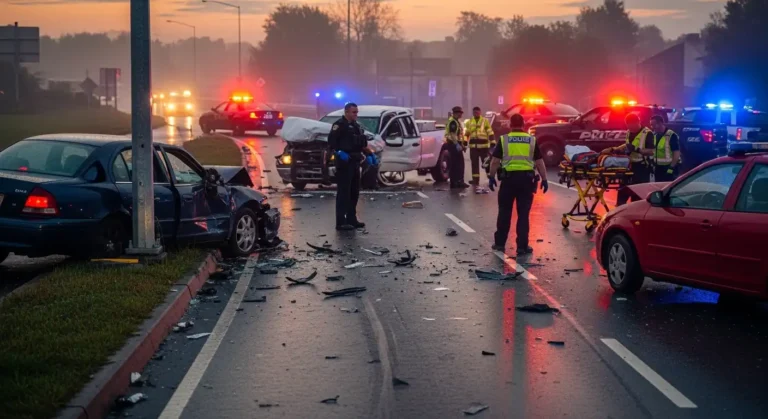
Work zone accident claims in 2026 are becoming more important because road construction can create serious crash risks for drivers, passengers, workers, pedestrians, and cyclists. A normal highway or city street can change quickly when lanes shift, shoulders close, cones appear, and construction vehicles enter traffic. When drivers speed, follow too closely, or look away for even a moment, the result can be a severe crash.
Many people think construction zone accidents only affect road workers. That is not true. Drivers and passengers are often injured in work zone crashes. Pedestrians, utility workers, maintenance crews, cyclists, and commercial drivers can also become victims when traffic patterns become confusing or unsafe.
A strong work zone claim does not only ask who hit whom. It also asks why the crash happened. Was the driver speeding? Did traffic stop suddenly? Were warning signs clear? Did a truck need extra stopping distance? Did poor lighting, bad weather, or distracted driving play a role? These questions can shape liability and compensation.
Why Work Zone Accident Claims in 2026 Need Careful Review
Work zones create temporary road conditions, but the danger is very real. Drivers may face narrow lanes, sudden merges, rough pavement, flaggers, barriers, equipment, and reduced speed limits. At night, the risk can rise because glare, darkness, rain, and fatigue make hazards harder to see.
The Federal Highway Administration’s 2026 work zone fact sheet reported 850 work zone fatalities in 2024. It also found that speeding was a factor in more than one-third of fatal work zone crashes. For official safety background, readers can review the FHWA 2026 National Work Zone Awareness Week fact sheet.
For injury victims, these numbers matter because they show common crash patterns. Rear-end collisions, large trucks, nighttime construction, and distraction can all become evidence issues in a personal injury claim.
Speeding can turn a work zone mistake into a major crash
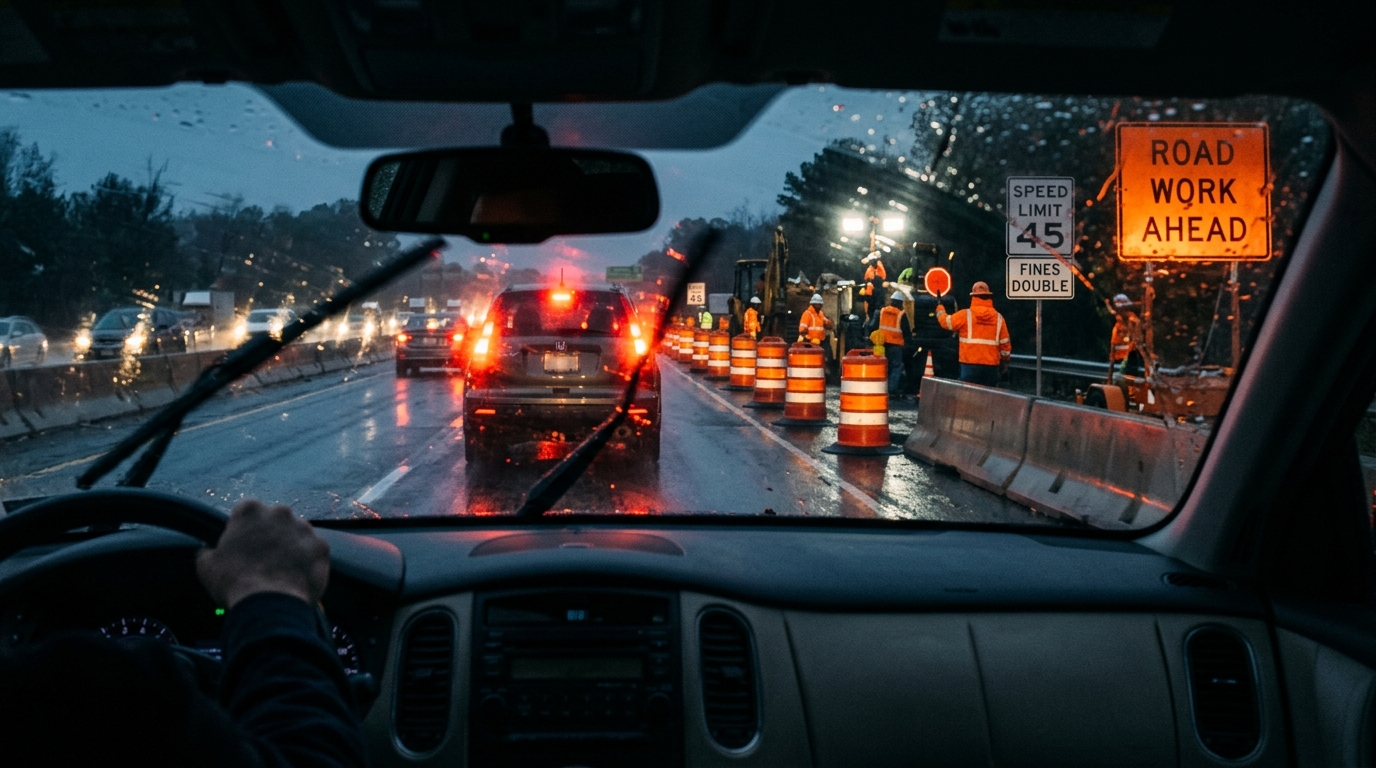
Speeding is dangerous in any setting. In a work zone, it becomes even worse. Drivers have less room to recover from mistakes. Lanes may shift suddenly. Traffic may stop without much warning. Workers and equipment may sit close to active lanes.
A driver who enters too fast may not stop in time when brake lights appear. A speeding vehicle can also push another car into barriers, cones, workers, or nearby traffic. Because crash force rises with speed, injuries can become more serious.
This issue connects with PI-Pedia’s article on distracted driving accident claims in 2026. Speed and distraction often work together. A driver who looks down while moving too fast has less time to correct the mistake.
Reduced speed signs can support the claim
Reduced speed signs can become important evidence. If the driver ignored posted limits, the victim may have a stronger argument for negligence. Photos of the signs, lane layout, and warning boards can help prove what drivers should have seen.
Evidence should show where the speed zone began. It should also show whether signs were visible, repeated, and placed early enough. A work zone claim may become stronger when the driver had clear warning but failed to slow down.
Night construction can make visibility a central issue
Night work can reduce daytime congestion, but it creates visibility problems. Drivers may struggle to see lane markings, workers, cones, and stopped traffic. Headlight glare can make the road harder to read.
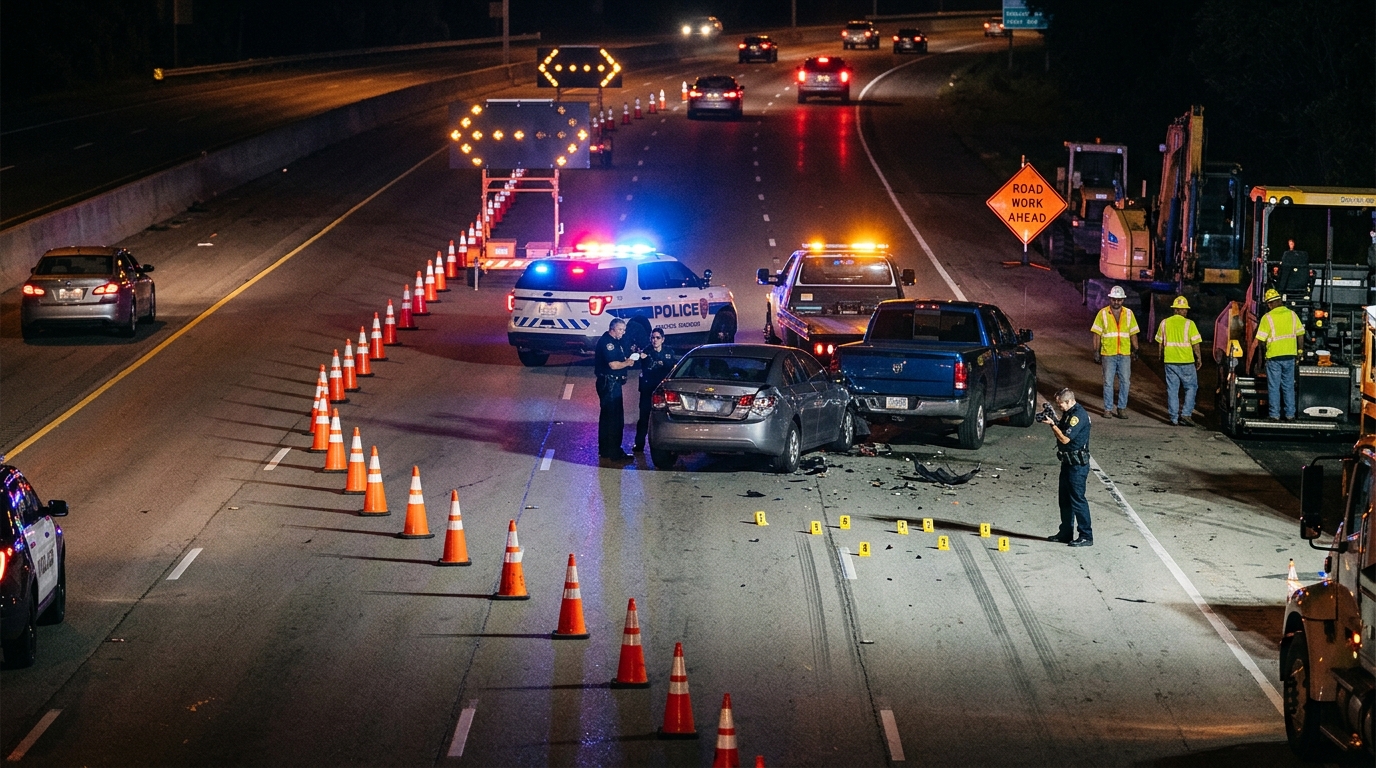
When a crash happens at night, investigators should review lighting, reflective signs, traffic control devices, dashcam footage, weather, and driver fatigue. These details can help explain whether the crash came from driver negligence, poor work zone design, or both.
Rear-end crashes are common in work zones
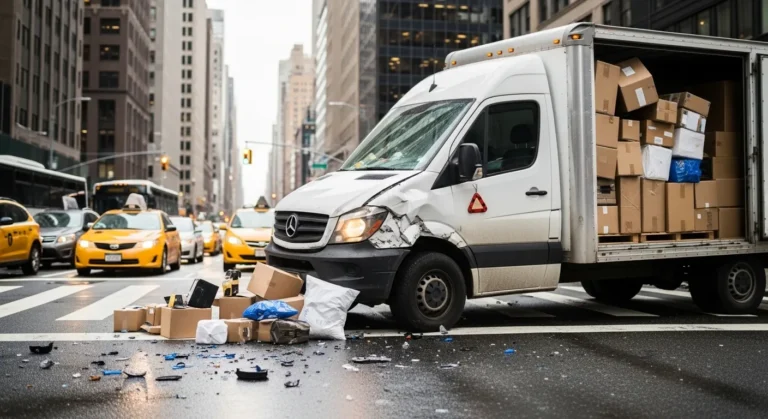
Rear-end collisions happen often in construction zones because traffic speed can change quickly. One lane may close. A truck may slow before a merge. A flagger may stop traffic. A driver who follows too closely may not have enough room to brake.
These crashes can cause neck injuries, back injuries, concussions, shoulder injuries, knee trauma, and long-term pain. Even if the crash seems simple, the victim still needs medical documentation and evidence of how the collision happened.
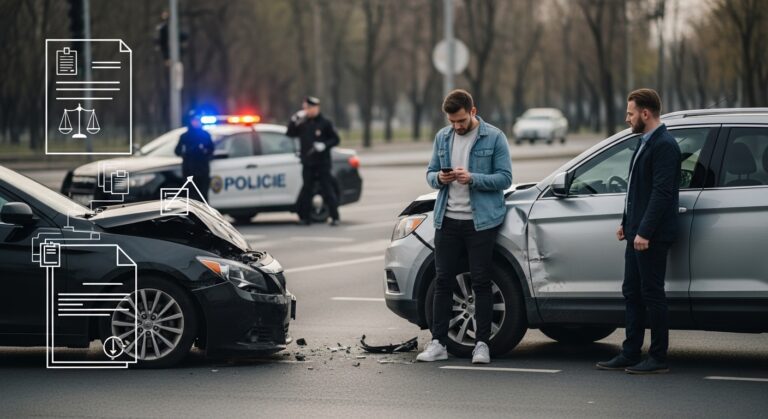
PI-Pedia’s guide on what to do after a car accident is a useful support article here. Work zone victims should get medical care, preserve photos, collect witness details, and avoid rushed insurance statements.
Large trucks need extra stopping distance
Large trucks and buses need more room to stop than passenger vehicles. In a work zone, this matters because traffic may slow without warning. A commercial driver who follows too closely can cause a severe rear-end crash.
Truck evidence may include dashcam video, black box data, GPS history, inspection reports, delivery schedules, and driver logs. PI-Pedia’s article on black box accident evidence in 2026 explains how crash data may help prove speed, braking, and timing.
How Victims Can Protect a Work Zone Injury Claim
After a work zone crash, the scene can change fast. Crews may move cones, reopen lanes, repair signs, clean debris, and continue construction. That makes early evidence very important.
Victims should photograph the vehicles, lane layout, cones, barriers, signs, skid marks, debris, traffic signals, lighting, weather, and visible injuries. Wide photos can show the full construction zone. Close-up photos can show impact damage, warning signs, and unsafe conditions.
Witnesses may also leave quickly. Get names, phone numbers, and short notes about what they saw. If nearby vehicles had dashcams, ask whether footage exists. Nearby businesses, buses, road cameras, and construction equipment may also have video.
Construction records can help show what went wrong

Some work zone claims involve more than one at-fault driver. A contractor, road agency, traffic control company, trucking company, or subcontractor may have relevant records. These records can show whether the work zone followed safety plans.
Important evidence may include traffic control plans, inspection logs, construction schedules, lane closure permits, worker statements, equipment records, incident reports, and maintenance notes. If warning signs were missing, misplaced, or blocked, those details may matter.
Work-related crashes can also overlap with workers’ compensation. If an employee was hurt while driving through or working in a construction zone, PI-Pedia’s guide on workers’ compensation vs personal injury lawsuits can help explain the difference between job benefits and a third-party injury claim.
Medical proof still decides the value of damages
Strong crash evidence proves how the accident happened. Medical proof shows how the crash harmed the victim. Both are necessary.
Victims should save emergency records, imaging results, therapy notes, prescriptions, medical bills, work restrictions, and follow-up instructions. A pain journal can also help show how symptoms affect sleep, work, driving, and daily tasks.
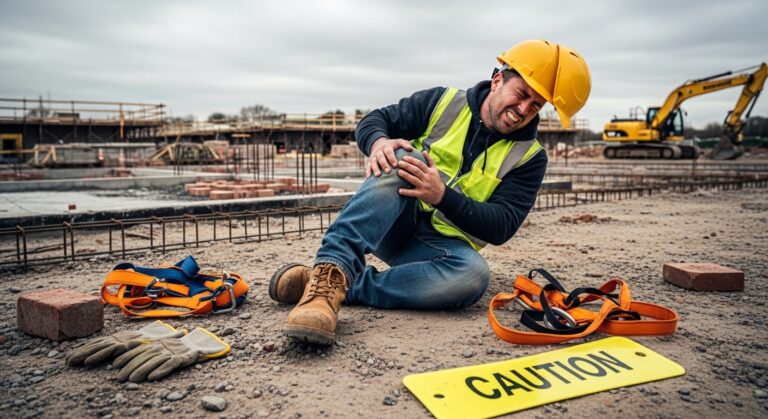
Construction-related injuries may also involve workers or contractors on site. For broader background, readers can visit PI-Pedia’s article on common construction site accidents and liability. That topic connects well when unsafe equipment, poor site control, or third-party negligence contributes to the injury.
Delivery workers may face added risk in work zones because they drive under time pressure and follow app-based routes. If the injured person was working as a courier, grocery driver, or delivery app driver, PI-Pedia’s article on delivery driver injury claims in 2026 may also support the claim strategy.
Comparative fault can become an issue too. An insurer may argue that the victim followed too closely, changed lanes late, ignored signs, or drove too fast for conditions. PI-Pedia’s article on comparative negligence in car accident cases explains why shared fault can affect compensation.
Victims should be careful with early settlement offers. A quick payment may not include future treatment, lost income, therapy, surgery, or long-term pain. Before accepting any offer, the injury timeline should be clear.
Work zone accident claims in 2026 require more than a basic crash report. A strong claim should review speed, signs, lane design, lighting, construction records, driver behavior, vehicle data, and medical proof. The goal is to show the full story, not just the final impact.
For PI-Pedia readers, the lesson is simple. Work zones are temporary, but the injuries can last for years. Victims who get medical care, document the scene, preserve evidence, and avoid rushed settlements have a better chance of protecting their rights after a construction zone crash.
General information only. This article is for educational purposes and is not legal advice. Injury laws, evidence rules, insurance procedures, and deadlines vary by location and case facts. Speak with a licensed attorney about a specific work zone accident claim.